Korean Food / Korean Fried Chicken: Plain, Yangnyeom, Soy and Ordering Tips
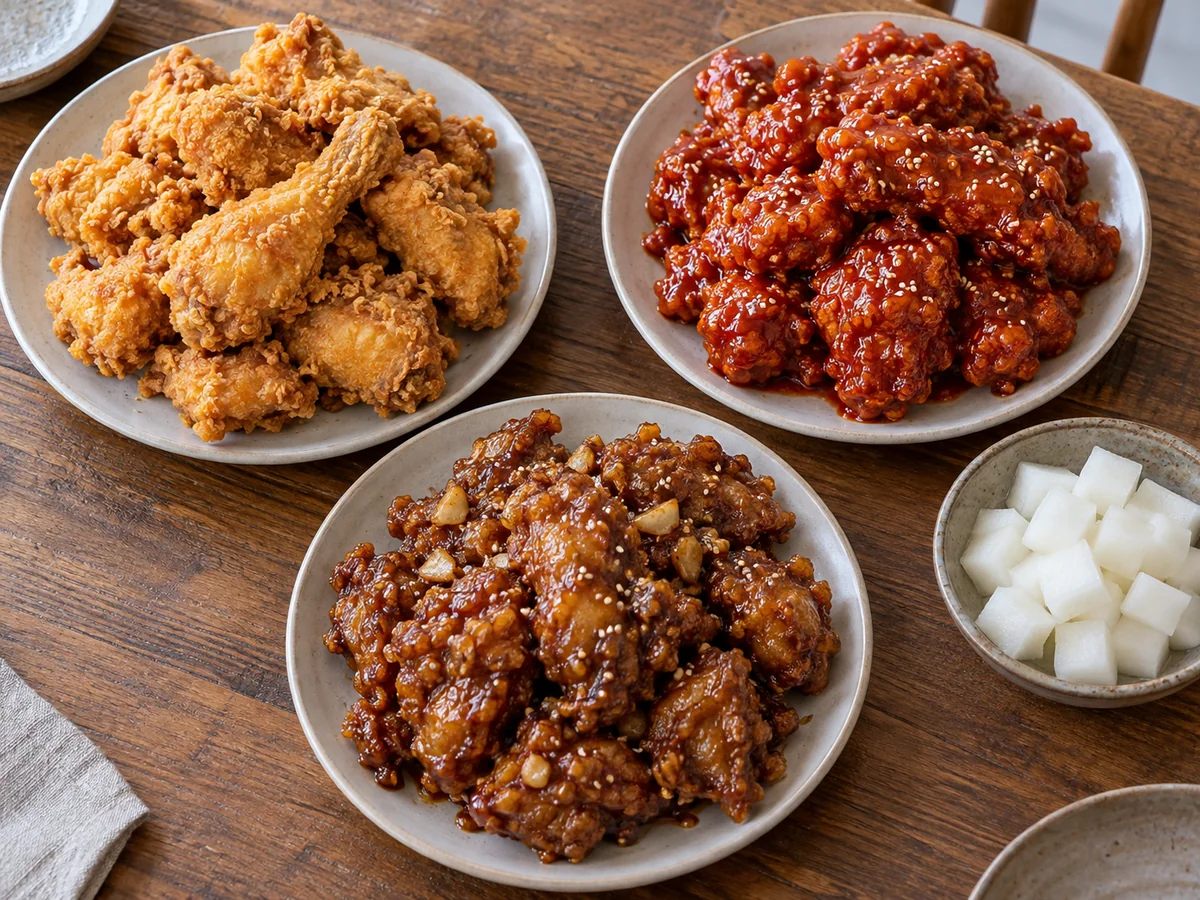
Korean fried chicken starts with battered or coated chicken fried in oil, then offered plain or with flavors such as sweet-spicy sauce, soy sauce or garlic. Banban, a half-and-half order of plain fried chicken and red-sauced yangnyeom chicken, is a familiar option. Think of it as a choice of coating, cuts, sauces and accompaniments rather than one fixed technique.
While chicken in English broadly means the bird or its meat, the loanword chikin on Korean restaurant menus often means fried chicken and related styles. It does not refer to every boiled chicken or chicken soup. Some chicken shops also sell roasted versions, so check whether the menu specifies frying or oven-roasting.
The Korea Tourism Organization's introduction describes coated, deep-fried chicken and variations such as seasoned chicken and padak with green onions. Fried chicken is eaten in many countries; in Korea, sauces, pickled radish and takeout or delivery culture combine in a familiar meal or shared gathering food.
A chopped whole bird offers several cuts, while other menus feature wings, drumsticks or boneless pieces. Even with the same sauce, cuts and piece sizes change the bite. Consider the meat as well as the flavor name.
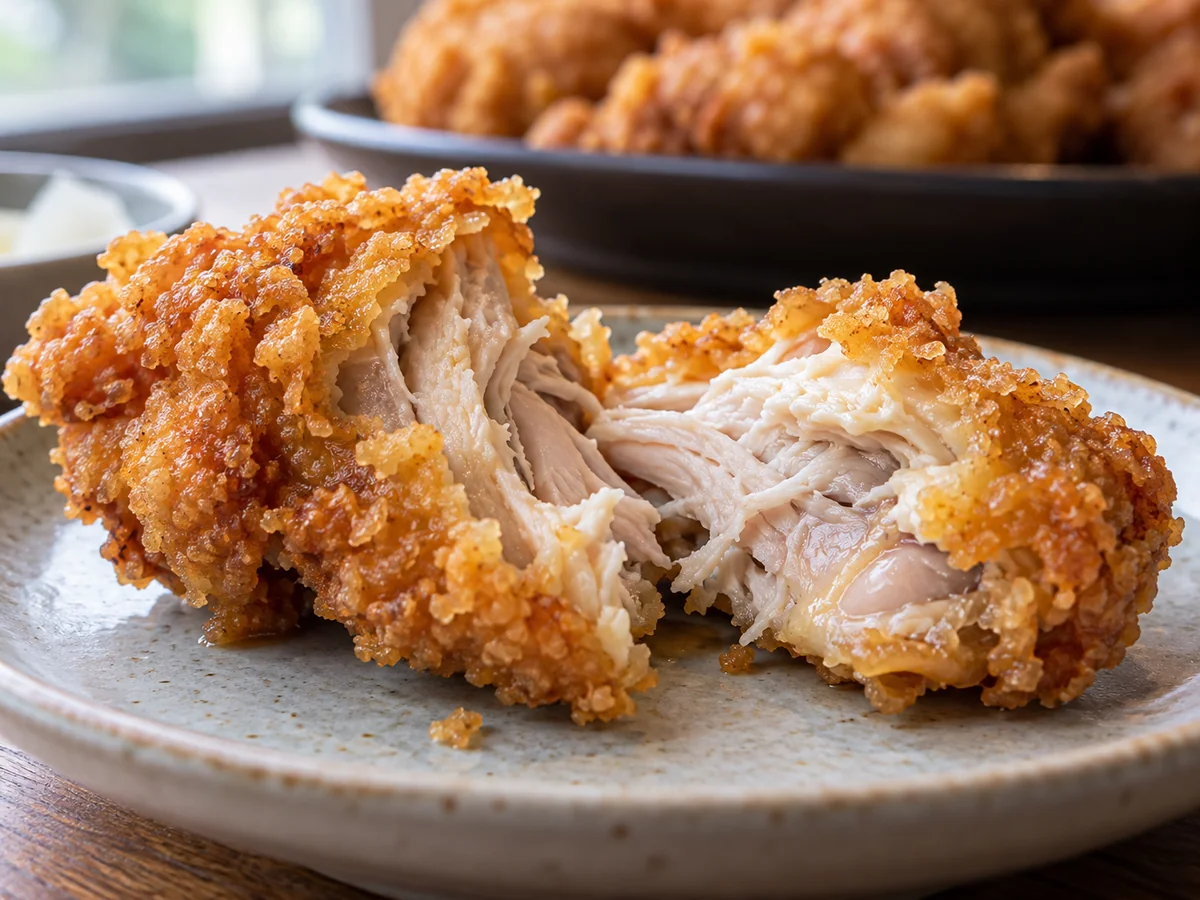
Notice the coating and meat separately
The first bite combines a breaking crust with the texture of chicken inside. Coatings can be thin and light or thick and craggy. Skin, initial seasoning, flour mixtures and cooking methods all contribute to the finished flavor.
Korean fried chicken does not have to be double-fried or coated in an exceptionally thin crust. Methods vary by restaurant and product. Distinguishing the thickness, crispness and proportion of coating to meat in front of you is a better way to identify your preference.
Sauce changes the surface and creates a different texture from plain fried chicken. If fresh crispness matters most, ask whether sauce can come separately. A menu designed to be tossed and finished in sauce may not offer that option.
Choosing plain, yangnyeom, soy or green-onion chicken
Names usually indicate the sauce or topping. Sweetness, heat and garlic strength can vary under the same name, so use these characteristics as a guide rather than a fixed recipe.
| Type | Main impression | What to check |
|---|---|---|
| Plain fried | Savory coating and chicken | Spicy initial seasoning and separate sauce |
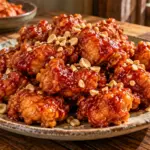
| Yangnyeom | Sweetness and heat in red sauce | Heat level, sauce amount and nut toppings |
| Soy-seasoned | Salty-sweet soy-based flavor | Garlic and chili ingredients |
| Garlic | Prominent garlic aroma | Raw pungency or cooked garlic flavor |
| Padak | Chicken with shredded green onions and sauce | Mustard-based sauce and separate onions or sauce |
Soy-seasoned chicken may be hot if it contains chili, while red yangnyeom may taste predominantly sweet. Ask about the base flavor and adjustable heat instead of relying on color. Cheese or herb powders leave a distinct surface seasoning rather than a liquid sauce.
The Korean Food Promotion Institute's account of chicken culture (in Korean) also discusses half plain/half seasoned orders and sweet-sour chicken radish. Two contrasting flavors make an accessible first comparison, but available combinations and surcharges vary by shop.
Bone-in and boneless are different choices
A bone-in whole chicken lets you compare drumsticks, wings, breast and other cuts. You remove meat using your hands or utensils, and edible proportions differ between pieces. Bones do not automatically mean better flavor or more meat than a boneless order.
Boneless chicken is convenient to share and reduces the need to remove bones. However, boneless does not necessarily mean thigh meat: breast, thigh or a mixture may be used. Ask about the cut if you want moist, tender meat or a leaner, more fibrous bite.
Wings and drumettes, or drumstick-only selections, may also be offered. A whole bird, boneless order and selection of one cut can have different amounts of meat even in equally sized boxes. Compare cuts, what a stated weight includes and accompaniments, not just the number of pieces.
Pickled radish, drinks and eating the chicken
Chicken-mu is usually cubed radish in a sweet-sour pickle. A crunchy piece between bites changes the flavor and texture in your mouth. Alternate it with chicken before adding more salty sauce to judge whether another condiment is needed.
Pepper-salt or mustard-based sauces may accompany the meal, but the chicken can already be seasoned. Taste the first piece as it is, then add sauce gradually. Covering yangnyeom chicken with another sauce can make the original harder to distinguish.
Chicken with beer is called chimaek, combining chicken and maekju, the Korean word for beer. It is familiar in gatherings and evening meals, but alcohol is not required. Enjoy the chicken with soft drinks, tea, water or another beverage; rice can turn it into a meal as well.
Commonly missed takeout and delivery details
For a shared order, choose bone-in, boneless or a cut first, then flavor, then total amount and accompaniments. Half-and-half does not necessarily promise identical numbers of pieces of each flavor. Check the product description and whether radish, sauces and drinks are included.
Steam and sauce during delivery can change the coating compared with eating it immediately at the shop. For crispness, plain fried chicken or separately packed sauce may suit you; for intense seasoning, a thoroughly sauced version may fit better. Do not expect every coating to retain the same crispness for the same length of time.
When the order arrives, check the contents and flavors and taste the meat and coating while warm. Simply comparing a plain piece with a sauced piece can reveal whether you prefer the fried texture or the sauce's flavor.