Korean Food / Godeungeo Gui: Grilled Mackerel, Salted Fish and How to Eat It
Godeungeo gui is mackerel seasoned with salt or other seasonings and cooked on a grill or in a pan. Its appeal lies in the aroma of the cooked skin, moist flesh and the rich, savory flavor of an oily fish, often served as a meal with rice and side dishes. Jaban and gan-godeungeo refer to salt-treated fish; they do not mean every product has the same salt level or cooking finish.
From salted fish to a grilled dish
The Korea Tourism Organization’s introduction to grilled mackerel describes mackerel sprinkled with salt and cooked on a grill or in a pan. Direct heat, a pan and an oven can give the same fish different surface aromas and crispness. The menu name alone does not establish which equipment is used.
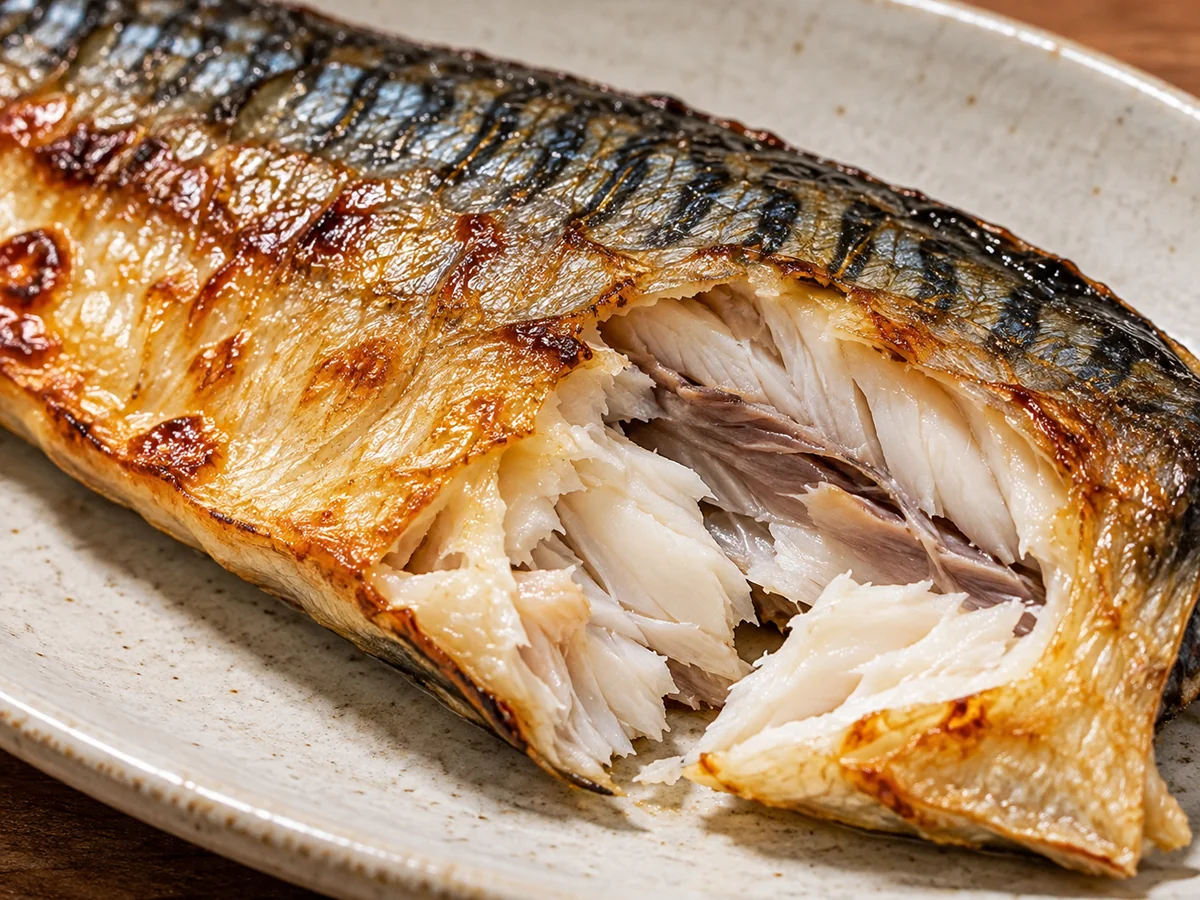
The fish may be split open, or served as a fillet with the head and large bones removed. One side may show mostly skin and the other exposed flesh. Two pieces of flesh in a photograph do not necessarily represent two fish, so check whether the portion is a whole fish, half a fish or a fillet.
“Grilled” does not guarantee a crisp, fried texture. Some versions have a thin crisp skin, while others are cooked gently to retain moisture. If a crisp surface matters to you, ask about both the description and the cooking method. Extensive black charring is not evidence that the fish is better cooked.
Do jaban, gan-godeungeo and salt-grilled mean the same thing?
Jaban refers to fish salted to improve keeping quality. The Encyclopedia of Korean Culture’s entry on jaban likewise describes a salt-preserved food. Jaban-godeungeo concerns the treatment of the ingredient, while godeungeo gui concerns cooking it by grilling. Salted mackerel can also be braised or prepared another way, so the terms are not identical categories.
| Term | What it tells you | What the name alone cannot tell you |
|---|---|---|
| Godeungeo gui | Mackerel cooked by grilling | Degree of salting, cooking equipment and serving size |
| Salt-grilled mackerel | A grilled preparation emphasizing salt seasoning | How salty it is and whether other seasonings are added |
| Jaban-godeungeo / gan-godeungeo | Mackerel treated with salt | The particular product’s salt level, storage instructions and final cooking method |
| Boneless grilled mackerel | Fish prepared with bones removed for easier eating | Whether all small bones are absent and whether skin is included |
Andong gan-godeungeo is another familiar example of salt-treated mackerel. The Korea Tourism Organization’s guide to Andong salted mackerel baekban describes grilled salted mackerel served with rice and assorted side dishes. A regional name does not mean all restaurants season it equally or serve the same portion.
Taste the skin, pale flesh and darker flesh separately
Grilling reduces surface moisture and makes aroma and texture more distinct, while the interior may stay moist and separate into flakes. Try a little flesh first, then compare it with a skin-on bite to distinguish seasoning from the effects of cooking. Eating or leaving the skin is a matter of preference.
Darker areas may appear in the middle of the flesh or near the skin. This darker meat can taste and smell stronger than the pale flesh, and the color difference itself is not proof of spoilage. Conversely, color alone cannot guarantee freshness or safety. If the restaurant dish seems questionable, ask the staff rather than tasting it to investigate.
If you enjoy rich fish but find a strong fish aroma unfamiliar, start with a small amount of pale interior flesh rather than a large piece. If lemon or grated radish is provided, try it on just part of the fish to compare. These accompaniments are not universal and are not compulsory.
How to separate the flesh and check for bones
With a whole split mackerel, distinguish the large central skeleton from smaller surrounding bones. Fillets and products labeled boneless can still contain residual bones, so do not assume the name guarantees their complete absence. For someone unfamiliar with eating fish, how thoroughly it has been deboned may matter more than the seasoning.
- Separate a small piece along the flakes on the flesh side and move it to an empty area of the plate.
- Check for and remove bones attached to the flesh, including the central bone and ribs.
- Eat the checked flesh with rice, adding skin or darker flesh as you prefer.
- After eating one side, separate the skeleton and inspect the other side. Keep removed bones away from flesh you will eat.
Lifting out the main skeleton once does not remove every small bone. Checking flesh on the plate before mixing it finely into rice makes bones easier to find. Avoid forcibly pulling apart hot fish by hand or chewing bones that have come away attached to crisp skin.
Adjust seasoning with rice and side dishes
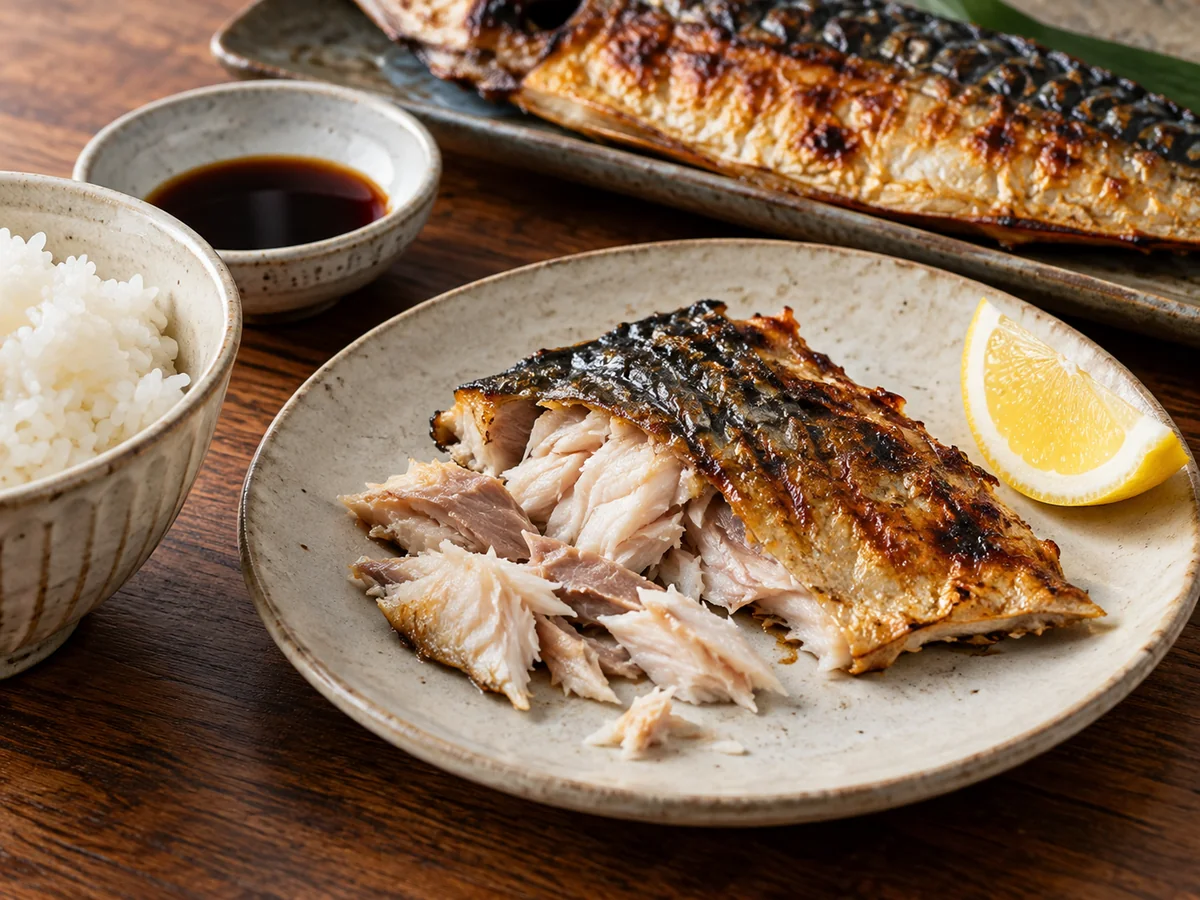
Taste the mackerel’s own salt seasoning before eating it with rice. Even if a soy sauce dip is supplied, the fish may already be salty enough. Dipping only one edge instead of soaking the whole piece helps you judge whether extra seasoning is needed and keeps the surface from becoming as soggy.
Add salty sides such as kimchi or pickles gradually after first trying the fish and rice. Combining fish, soy sauce and salty sides in a single bite can make the overall flavor more intense than each alone. Alternating with milder vegetable sides changes the textures and aromas of the meal.
If doenjang jjigae, or soybean paste stew is included, consider its broth when assessing the meal’s seasoning. No particular stew is obligatory, and soups and sides vary by restaurant. Check the basic serving and quantity before ordering many extras.
Choosing a set meal, mixed grill or takeaway
A mackerel baekban commonly includes rice and side dishes as a meal. A standalone grilled fish order may exclude rice, so check the menu. A mixed fish grill offers other species and textures to compare; if you mainly want plenty of mackerel, ask which fish and quantities are included.
The amount you can eat differs between a whole and half fish, and between a weight that includes the head and bones and the weight of prepared flesh. If domestic or imported origin, or chilled versus frozen, matters to you, check the restaurant’s origin labeling and product information. Size, silvery skin and a golden surface cannot establish origin or freshness.
Takeaway skin can lose crispness over time. Distinguish ready-to-eat food from a product intended for reheating, and follow the seller’s or package’s storage and reheating instructions. On your first try, taste a small piece without sauce, then add rice and sides to adjust the saltiness and richness to your preference.