Japanese Food / Tonkatsu: Loin or Tenderloin, Sauces and How to Eat It
Tonkatsu is a Japanese breaded and fried pork cutlet, often served with finely shredded cabbage, rice and sauce. Loin is a choice for those who enjoy the flavor of fat, while tenderloin is relatively lean and tender. Before ordering, check the cut, portion size and ingredients in the sauce and breading.
What is tonkatsu?
Tonkatsu is pork coated in flour, egg and breadcrumbs and fried in oil. It is often sliced for serving, with a crisp crumb coating and cooked meat inside. A Japanese Ministry of Agriculture, Forestry and Fisheries publication on Japanese food describes tonkatsu as breaded fried pork served with finely shredded cabbage.
A set meal with rice, miso soup and pickles is common, but the accompaniments and sauce vary by restaurant. Some menus serve a cutlet over rice or with curry. Consider whether you want crisp breading served separately or a dish in which broth or sauce has soaked into it.
How do loin and tenderloin tonkatsu differ?
Loin often has a strip of fat at the edge, offering the flavor of fat alongside the meat. Tenderloin is comparatively lean and can suit someone who prefers a milder taste. Thickness, frying method, aging and actual fat content differ between restaurants, so the cut’s name alone does not establish the texture or portion.
If you prefer less fatty meat, consider tenderloin; if you enjoy the flavor of fat, consider loin. In either case, ask whether the weight on the menu is before or after cooking and what the set meal includes.
How does a set meal differ from katsudon?
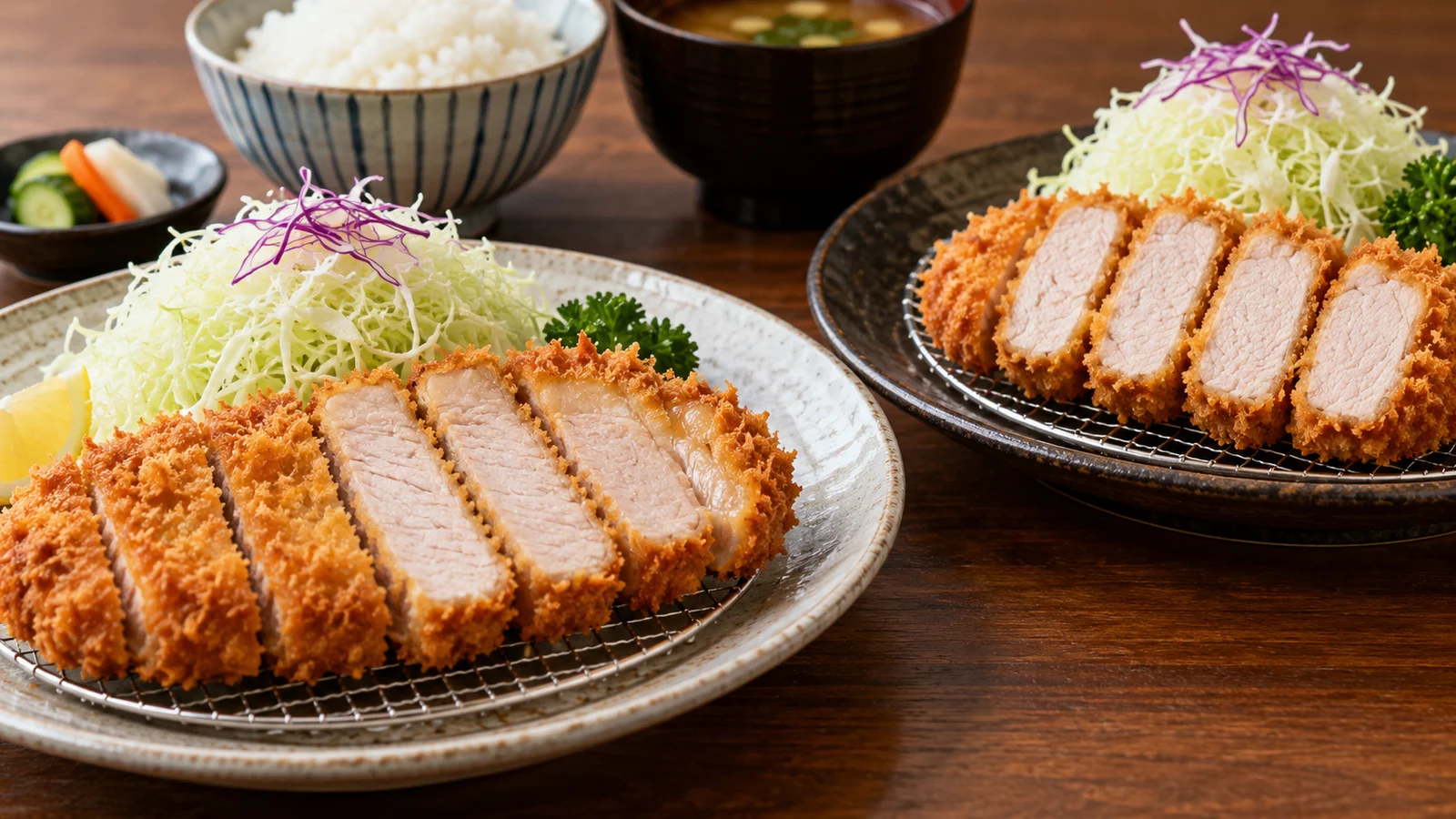
A tonkatsu set meal generally serves sliced cutlet and cabbage with rice, soup and pickles separately. To keep the coating crisp, dip individual pieces into sauce or pour on only as much as you want. Cabbage and soup options and any refills vary by restaurant.
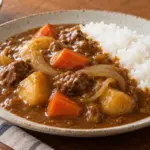
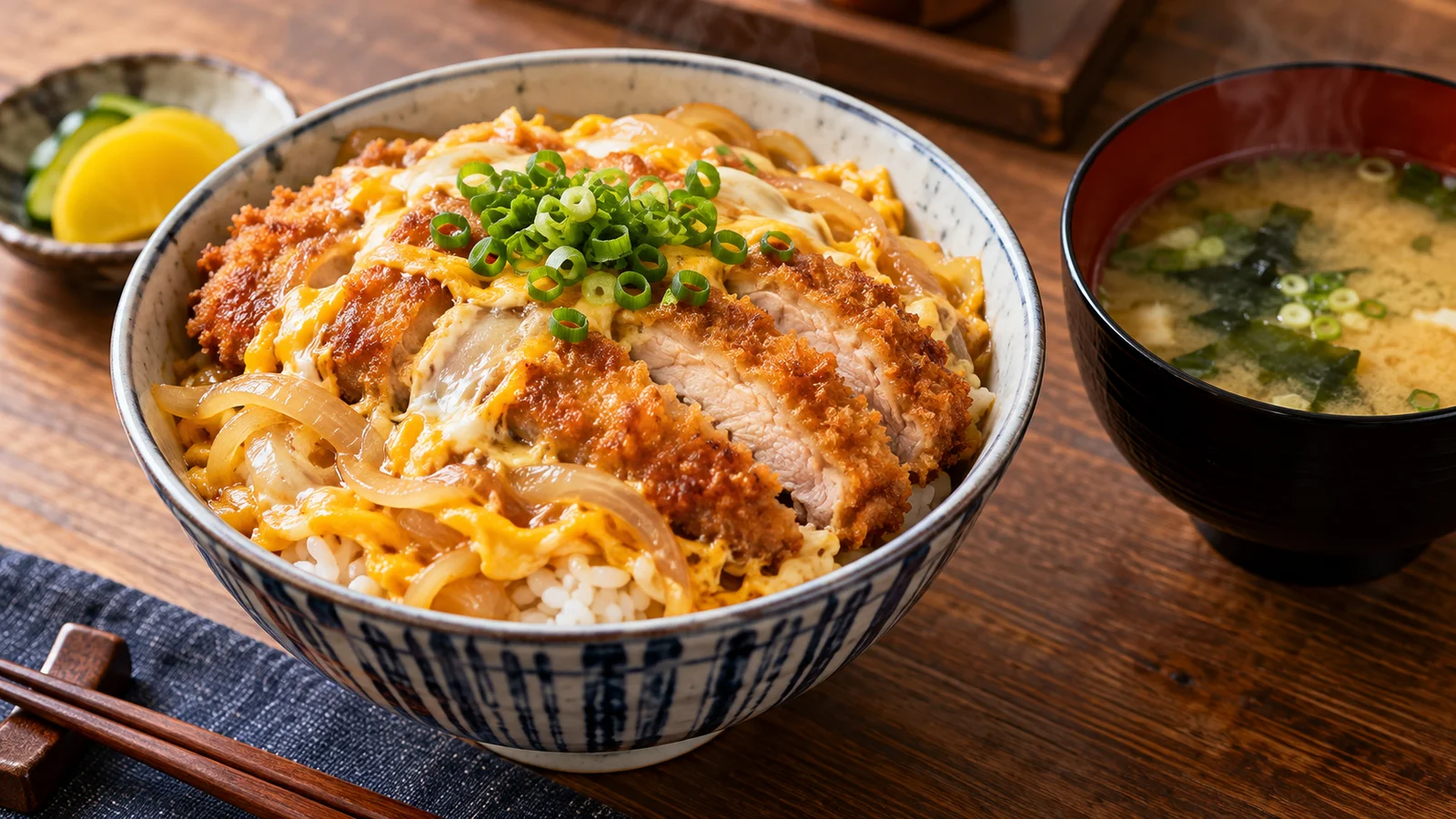
Katsudon is a rice bowl topped with a cutlet. A common version simmers the cutlet with onion in seasoned broth and binds it with egg, while some regional versions use a sauce-coated cutlet. In the simmered version the coating absorbs broth, giving a different texture from a set meal. The ministry’s katsudon guide describes a regional sauce version.
How can you enjoy the sauce and sides?
Tonkatsu sauce is a thick sauce that may be flavored with fruit, vegetables, vinegar and spices, depending on the shop or product. Try a piece plain first, then add sauce gradually to compare the flavor of the meat and coating. Some places also serve mustard or lemon, but neither is compulsory.
Shredded cabbage can be eaten with the cutlet or separately; add dressing to taste if provided. A miso-sauce version is also associated with Nagoya. The Japan National Tourism Organization’s Aichi food guide describes tonkatsu with miso sauce.
What should you check before ordering?
- Cut and portion: check whether it is loin or tenderloin, the weight and what rice, soup and cabbage are included. Price may vary with cut and thickness.
- Sauce and restrictions: sauce may contain wheat, soy or fruit, while katsudon may use egg or fish stock. If you avoid pork, do not assume a differently named item contains another meat.
- Allergies and equipment: breading usually contains wheat and egg, and oil may be shared with shrimp or other foods. Tell staff about allergies and ask about cross-contact from shared equipment and oil.
- Heat and doneness: fried food can be hot, so let it cool a little. If you are unsure whether the pork is sufficiently cooked, ask staff before eating.
What about cooking or storing leftover tonkatsu?
Use separate tongs and cutting boards for raw meat and cooked food, and cook pork thoroughly to the center. Japanese Ministry of Agriculture cooking-safety guidance gives a core temperature of 75°C for at least one minute as one cooking guideline. Check the thickest part with a food thermometer and keep tools used for raw meat separate from cooked food.
For leftovers, follow the seller’s or local food-safety guidance on storage temperatures and times and refrigerate promptly. Do not judge food with an unknown storage history safe from appearance or smell alone, and heat leftovers thoroughly to the center. Crispness of the coating and safe storage are separate considerations.