Korean Food / What Is Sundae? Fillings, Varieties and How to Eat It
Sundae is a Korean food made by stuffing a casing, often intestine, with other ingredients and boiling or steaming it. The pork version familiar in Korean snack shops combines a springy casing with a filling of glass noodles, blood and other ingredients, served with salt or sauce. Fillings vary by region and type, so noodle-heavy sundae does not represent every version.
Understanding casing and filling together
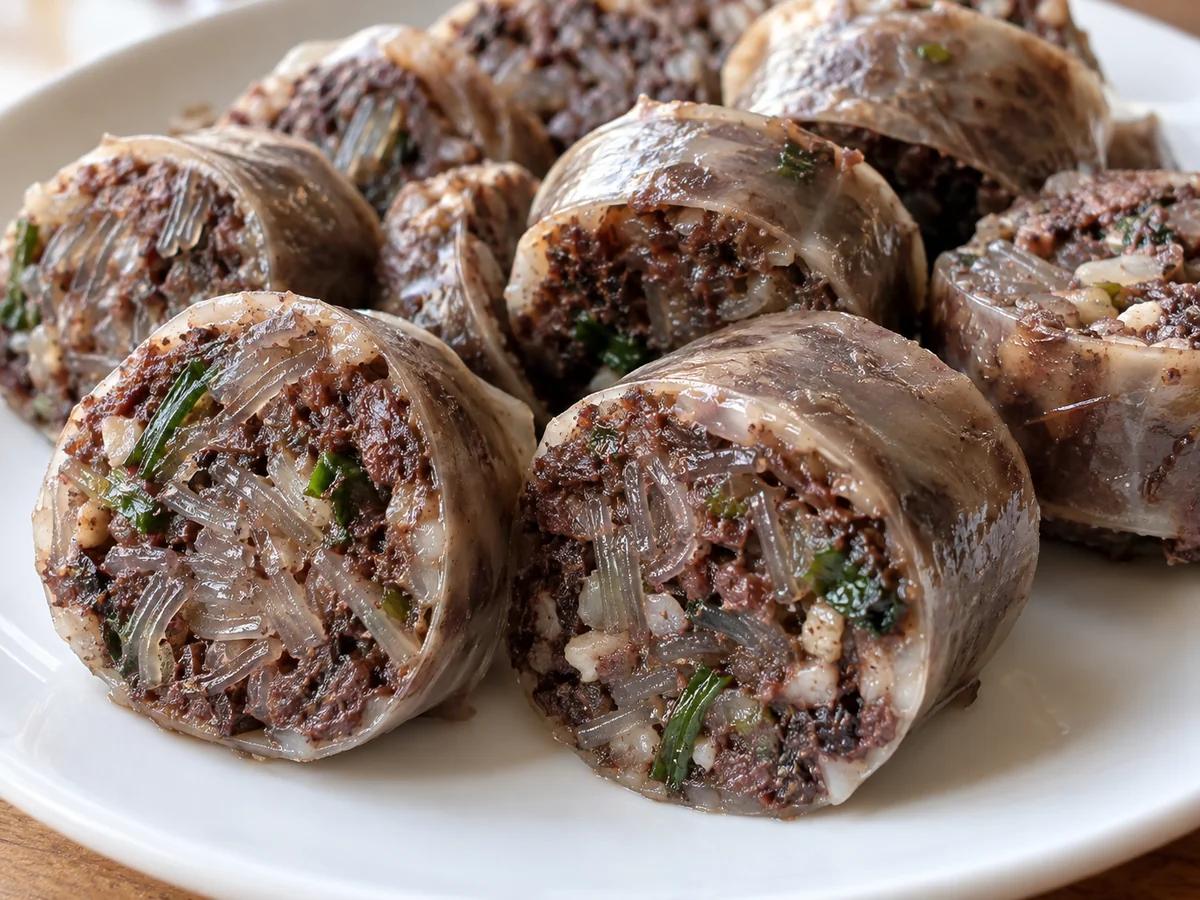
Ordinary pork sundae uses cleaned pork intestine filled and cooked. The stuffing can contain glass noodles, seonji, glutinous rice and vegetables; their proportions change the cross-section and texture. Seonji is an ingredient made from coagulated animal blood and gives many pork sundae fillings their dark color.
The Korea Tourism Organization's sundae introduction describes pork intestine filled with blood, glass noodles, sprouts, cabbage and glutinous rice. Noodles are prominent in many snack-shop versions, while specialist restaurants may offer fillings with more vegetables or blood.
The casing holds everything together and adds resilience. A noodle-heavy center emphasizes springy strands; more vegetables or rice can give a softer, cohesive filling. It is more accurate to think of varied casings and fillings than to assume sundae is simply a sausage stuffed only with minced meat.
Why aroma and texture differ
Try a small piece before adding salt or sauce. The filling may already be seasoned, and garlic, ginger or perilla can create different aromas. It is neither true that all sundae has the same strong offal aroma nor that every variety has none.
The outside can be chewy while the center crumbles softly or separates into noodle strands. Let it cool enough and chew slowly to distinguish the casing from the filling. The cut surface also shows whether it is mainly noodles or densely packed vegetables and grains.
Mixing everything immediately into a strongly flavored sauce makes the original harder to identify. Compare a plain piece with one dipped lightly in salt, then try other seasonings. If unfamiliar aromas or textures concern you, a small first portion is easier than ordering many kinds at once.
Noodle sundae, Byeongcheon sundae and squid sundae
The Encyclopedia of Korean Culture's sundae entry (in Korean) includes beef or pork intestine versions and those made with fish or squid. The principle of filling and cooking is shared, but the outer ingredient and mixture inside can be very different.
| Type | Main features to notice | What distinguishes it |
|---|---|---|
| Noodle-heavy pork sundae | Springy noodles and thin casing | Blood, vegetables and other filling ingredients |
| Byeongcheon sundae | Pork small intestine with vegetables and blood | Noodle amount and mixture vary by shop |
| Pi-sundae | Blood is prominent in the filling and flavor | Accompanying vegetables, grains and aromatics |
| Squid sundae | A squid body filled and cooked | Resilient squid and the ingredients inside |
Byeongcheon sundae is associated with Byeongcheon in Cheonan, South Chungcheong Province. The encyclopedia entry on this version (in Korean) describes vegetables and blood in small intestine and methods using fewer noodles or none compared with noodle-centered sundae. Do not treat “no noodles at all” as the only correct formula.
Squid sundae has squid around the filling, making its texture quite different from pork sundae. The name does not guarantee pork or blood in the same arrangement. Check the actual mixture if you avoid an ingredient or want a particular flavor.
Liver and other offal on the plate are separate items
Snack shops may serve cooked pork liver or other parts alongside sliced sundae. Liver is a separate accompaniment, not the visible filling of the sausage; its dense, somewhat crumbly texture differs from a noodle-filled center. Sharing a plate does not make all the pieces taste or feel alike.
Some shops allow “with offal” or “sundae only” orders, but service varies. If you do not like liver, ask to omit it when ordering; ask about other preferred parts too. This is easier before the platter has been cut and assembled.
You need not identify unfamiliar cooked offal by appearance alone: ask and try small amounts. Pork sundae's casing itself is intestine, so removing the accompanying offal does not make it free of animal ingredients.
Salt, sauces and tteokbokki
Salt mixed with chili powder or pepper is one accompaniment; some places provide ssamjang, a seasoned paste, or chojang, a tangy chili-paste sauce. Practices vary by region, shop and preference, so no single sauce must be correct. Dip a small amount separately to preserve the filling's flavor and control seasoning.
In a snack meal, you can order tteokbokki and dip sundae into some of its red sauce. Try one piece at a time in a little sauce rather than pouring all the sausage into it. Sweetness and heat create a different taste from salt alone.
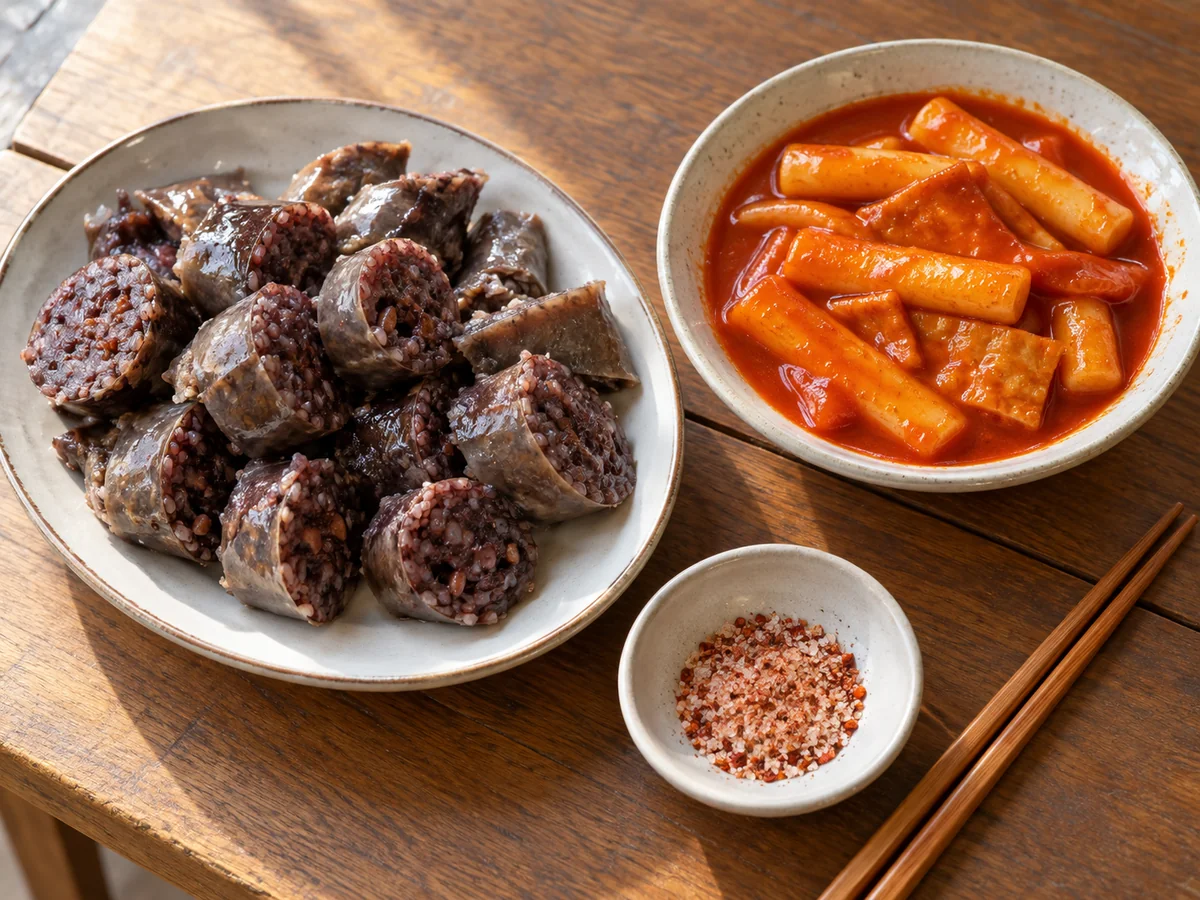
A few snack pieces and an entire plate of sundae containing noodles or glutinous rice have different filling effects. If adding tteokbokki and fried snacks, consider the whole quantity. For a first tasting of sundae and offal, keeping them separate helps distinguish each flavor.
Sliced sundae gives a direct impression of casing and filling. Sundae-guk is a soup meal with sundae, meat or offal and rice; stock and meat-to-sundae proportions vary. Check whether it contains only sundae or also meat and offal to match your preferences.
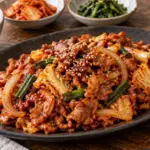
Sundae-bokkeum stir-fries sundae and vegetables with seasoning. Red-sauced and perilla-focused versions exist, so mild sausage does not ensure a mild finished dish. Decide first whether you want a soup meal, sliced pieces or stir-fry seasoning.
For a first order, check the type, liver or offal accompaniments and sauce. Understanding that the fillings and ways of eating vary widely helps you compare familiar snack-shop sundae with regional versions.