Korean Food / Chueo Tang: Ground or Whole Loach Soup and How to Season It
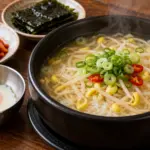
Chueo tang is a Korean fish soup made by thoroughly cooking loaches and simmering them with vegetables and seasonings. Versions with ground or strained fish dispersed into the broth are widely known, but tong-chueo tang retains the fish’s shape. For a first try, ask whether the fish is visible, what the broth tastes like and whether spices can be added separately.
What goes into chueo tang?
Chueo refers to loach. Its flesh and cooking liquid combine with vegetables such as cabbage or siraegi, while soybean paste, chili paste and chili powder change the color and flavor. The Encyclopedia of Korean Culture’s entry on chueo tang introduces several ingredient and preparation variations. Expecting a single color or thickness can leave you surprised by the actual menu.
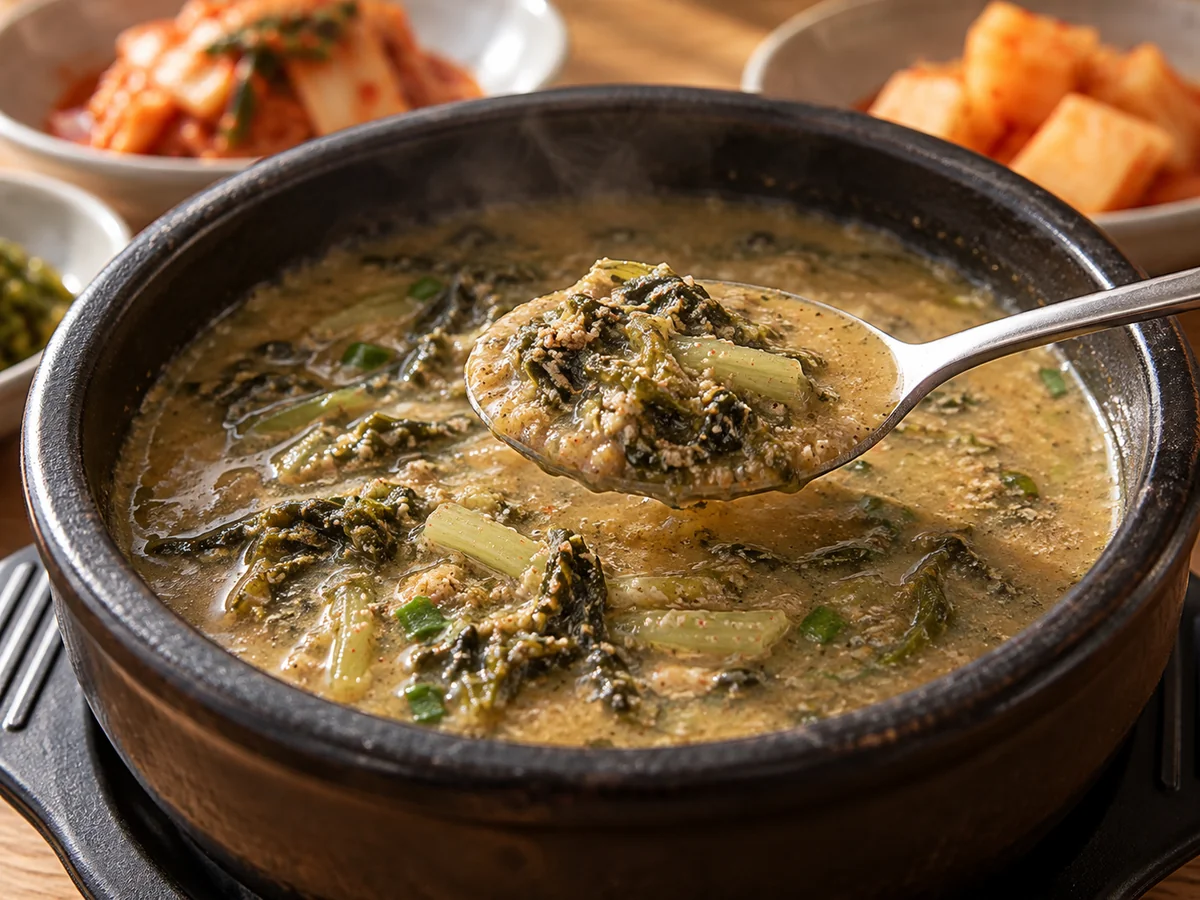
Ground versions may have no visible chunks of fish. Instead, small particles give the broth body, while vegetables supply a contrasting chew. Siraegi means dried radish greens; ugeoji refers to outer leaves of vegetables such as cabbage. Distinguishing these ingredients rather than treating their names as synonyms helps make sense of menu descriptions.
Even when many vegetables are visible, this is fundamentally a fish dish. Stock and accompanying seasonings vary, so visible vegetables cannot establish vegetarian suitability or whether it meets ingredient restrictions. Ask specific questions, such as whether soybean paste or perilla seeds are used and what the base stock contains.
Ground versus whole-loach soup
The first difference to check is the form of the fish. There is no nationwide rule that an item labeled simply chueo tang always contains ground fish. If the shape or chew of whole fish concerns you, ask before ordering whether the loaches are ground.
| Type | Difference in the bowl | What to check |
|---|---|---|
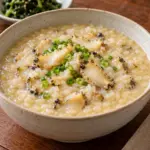
| Ground or strained loach soup | Fish is dispersed into the broth, so broth and vegetable textures stand out more than fish shapes. | How finely it is strained, whether particles remain and how thick the broth is. |
| Whole-loach soup | The cooked loaches retain their shape and a distinct fish texture. | Whether whole loaches are used and how they are served. |
A ground version is not necessarily completely smooth or free of a bony texture. Grinding and straining determine the particles that remain. For someone with chewing or swallowing restrictions, check the actual texture and ingredients rather than assuming ground fish is automatically easy to eat.
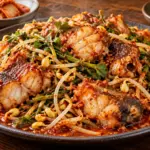
Fried loach is a separate menu item even though it uses the same ingredient. Do not assume it automatically comes with the soup; check whether you are ordering a standalone bowl or a set and what the sides include.
Why the broth differs between restaurants
Differences come not only from processing the fish but also from seasoning pastes, vegetables and perilla seeds. Soybean paste can provide an earthy, salty base; perilla can add a nutty aroma and body. Chili powder or paste may make a broth red, but color does not accurately determine its heat.
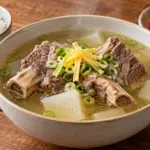
The Korea Tourism Organization’s Gyeongsang-style chueo tang guide describes cabbage broth and chili, garlic and spices added at the table. Its travel article comparing regional loach soups also contrasts versions with soybean paste and perilla, chili paste, or beef-bone stock and tofu.
Use regional names as clues rather than guarantees. Restaurants within the same region may sell both whole and ground versions and vary their vegetables and seasoning. Instead of fixing expectations from “Namwon-style” or “Gyeongsang-style,” ask about soybean paste, perilla and the starting seasoning to choose closer to your preference.
How to add spices and garlic chives
You need not add every table condiment at the beginning. Taste the basic broth and add only what seems missing, a little at a time. Sancho or chopi pepper-family spices can have a strong aroma and tingling quality distinct from chili heat, so start small. Ask the restaurant to identify any supplied powder.
- If the broth is hot, take a little out and let it cool, then taste it plain for savory depth, saltiness and heat.
- If garlic chives are separate, add some for their vegetal aroma. Use small batches rather than all at once.
- Add a little minced garlic or chili according to taste. You can omit chili if the broth is already spicy.
- Try a tiny amount of spice in a spoonful of broth before deciding whether to add it to the bowl. A strongly spiced soup is difficult to return to its original flavor.
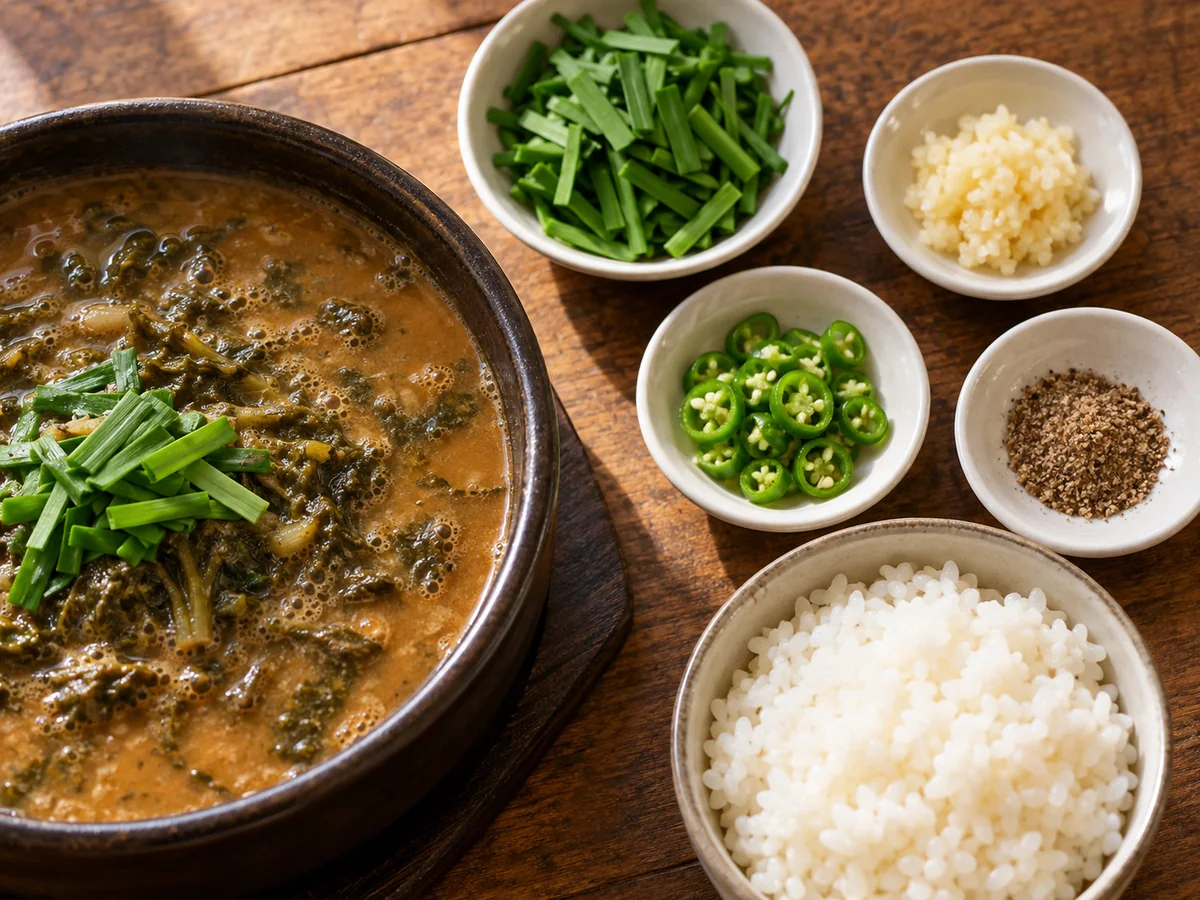
This order is a way to control flavor, not fixed etiquette. Leave out spices you do not enjoy; eating it properly does not require adding a large amount.
Rice in the soup or on the side?
If rice is separate, start by alternating it with broth. Adding all the rice makes the broth harder to taste on its own and changes consistency as the grains absorb liquid. You can add just part or spoon a little broth over a spoonful of rice.
If long cabbage or dried greens are present, avoid overloading one spoonful with rice and vegetables. Try vegetables and broth first with rice alongside, or ask whether the greens can be cut to a comfortable length. Kimchi and pickles are separate ways to adjust flavor; if the meal is salty enough, you need not include them in every bite.
Among hot rice-and-soup meals, chueo tang stands out for dispersed fish, vegetables and spices. To compare a meat-based broth, see how to choose broth and condiments in pork gukbap. Choosing the broth and solids you want is more helpful than deciding which dish is supposedly “richer.”