Korean Food / What Is Dwaeji Gukbap? Pork Soup, Rice Options, and Seasoning
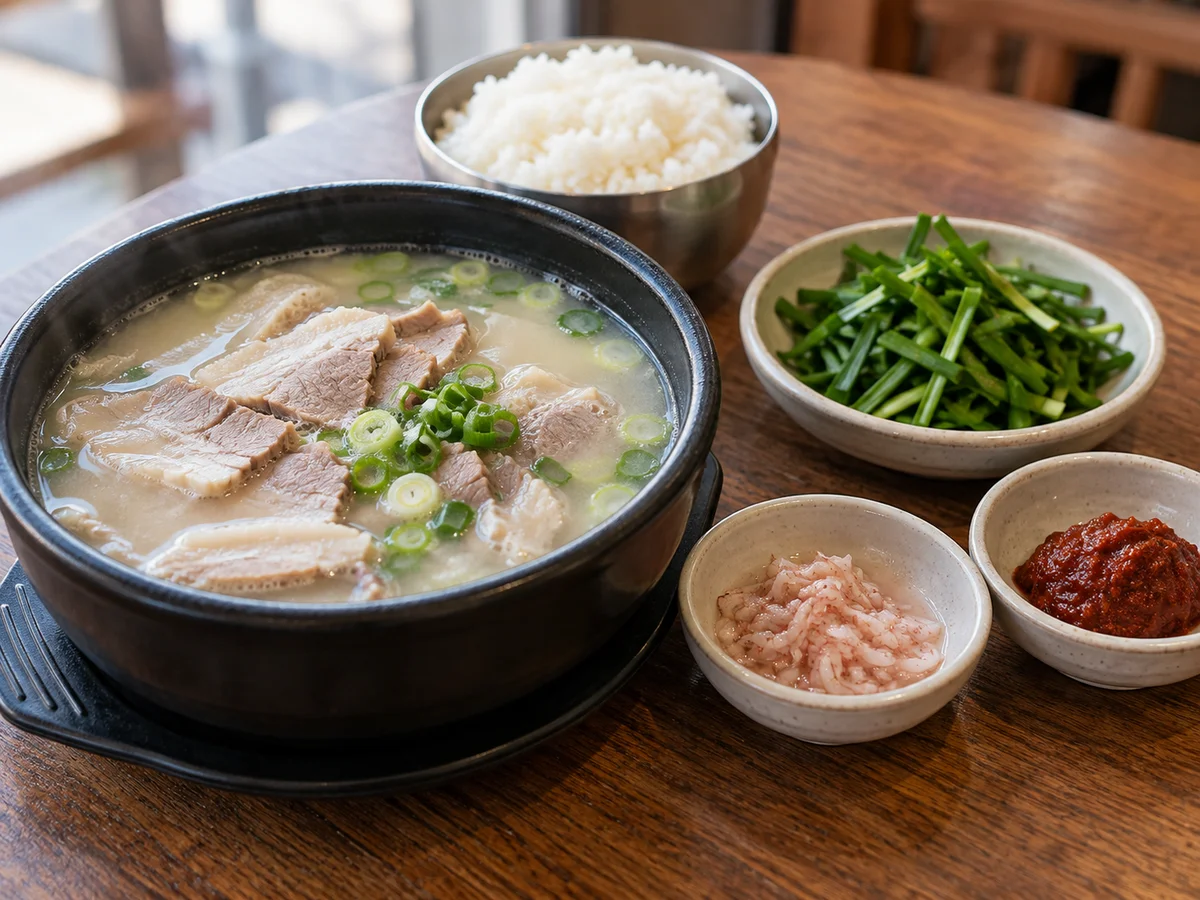
Dwaeji gukbap is a Korean pork soup eaten with rice and is closely associated with Busan. Menus may offer meat, offal, or sundae sausage, while ttaro gukbap serves rice separately. Taste the broth before adding condiments so you can adjust one flavor at a time.
What are the broth and meat like?
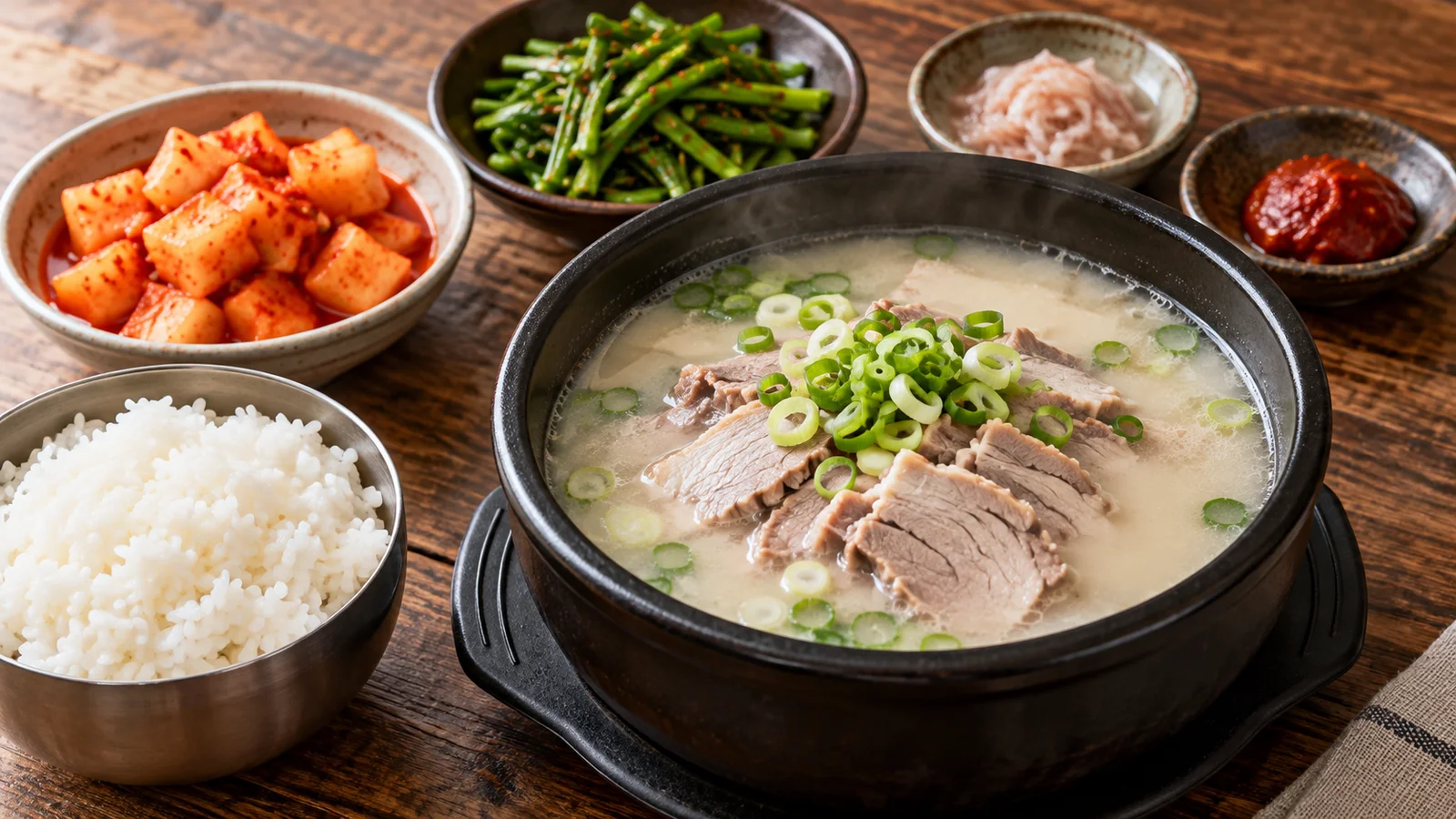
The bowl combines pork with broth made using ingredients such as pork meat or bones. Broth can be cloudy and rich or relatively clear. Color alone does not establish quality or simmering time; cuts and fat content also change the texture of the meat.
The Korea Tourism Organization’s food guide introduces Busan’s pork soup and menu choices involving meat, offal, and sundae. One restaurant’s portions should not be generalized to all versions. If unfamiliar cuts are a concern, ask whether there is a meat-only bowl.
Meat, offal, sundae, or mixed?
A meat bowl emphasizes sliced pork, an offal bowl emphasizes organ meats, and sundae gukbap includes Korean sausage. A mixed bowl may combine meat with offal or sundae. The word mixed does not guarantee the same combination everywhere, so clarify the ingredients.
Sundae commonly involves a casing filled with glass noodles and other ingredients, but preparations vary considerably. Ask about removing or substituting a cut you do not want. Understanding the contents is more useful than comparing prices without knowing what each bowl includes.
Separate the meat combination, the rice arrangement, and the seasoning added at the table. Meat-only, offal, and sundae describe the solids; ttaro describes rice served separately. A ttaro label does not by itself exclude offal or sausage.
With separate rice, you can try broth and meat first, add rice gradually, or leave it outside the soup. Rice already in the bowl starts absorbing liquid before you eat. Choose according to how much control you want over grain texture and the rice-to-broth ratio rather than treating one method as universally better.
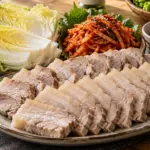
Suyuk baekban may arrange boiled meat separately with rice and soup, worth comparing if you want to taste them independently. Confirm the actual set and cuts, however. Salted shrimp, chili seasoning, and seasoned chives need not all go in. Taste the plain broth, then decide whether you want more saltiness or heat, changing one thing at a time.
How should you add the condiments?
Taste a spoonful or two of broth first. Saeujeot, fermented salted shrimp, adds salt; dadaegi, a chili-based seasoning mixture, can add heat and aroma. Seasoned chives may already carry salt and spice, so adding everything at once makes the result difficult to control.
Add one small amount, stir, and taste again. You need not use every condiment provided. Adding radish-kimchi liquid is a preference rather than a required technique. Some bowls arrive pre-seasoned, which is another reason to check before reaching for extra salt or paste.
What should first-time diners check?
The pot and broth may be very hot. Transfer small portions if a side bowl is provided, and alternate soup with side dishes without feeling obliged to mix them all together. If noodles accompany the meal, ask whether and how they are intended to be added.
This is a pork-based dish. Seafood allergies also require checking shrimp condiment and fermented seafood in kimchi; other restrictions require checking broth and seasonings. Settle on the meat combination and rice arrangement first, then adjust flavor at the table.