Korean Food / What Is Dakgalbi? Iron-Pan vs Charcoal Styles and How to Eat It
Dakgalbi is a Korean chicken dish cooked with seasoning, either stir-fried with vegetables on a broad iron pan or grilled over charcoal. Despite “galbi” in the name, it is a chicken dish rather than beef or pork ribs. Start by checking the cooking style, bone-in or boneless preparation, and heat level.
What goes into dakgalbi?
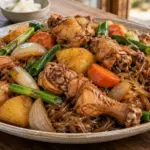
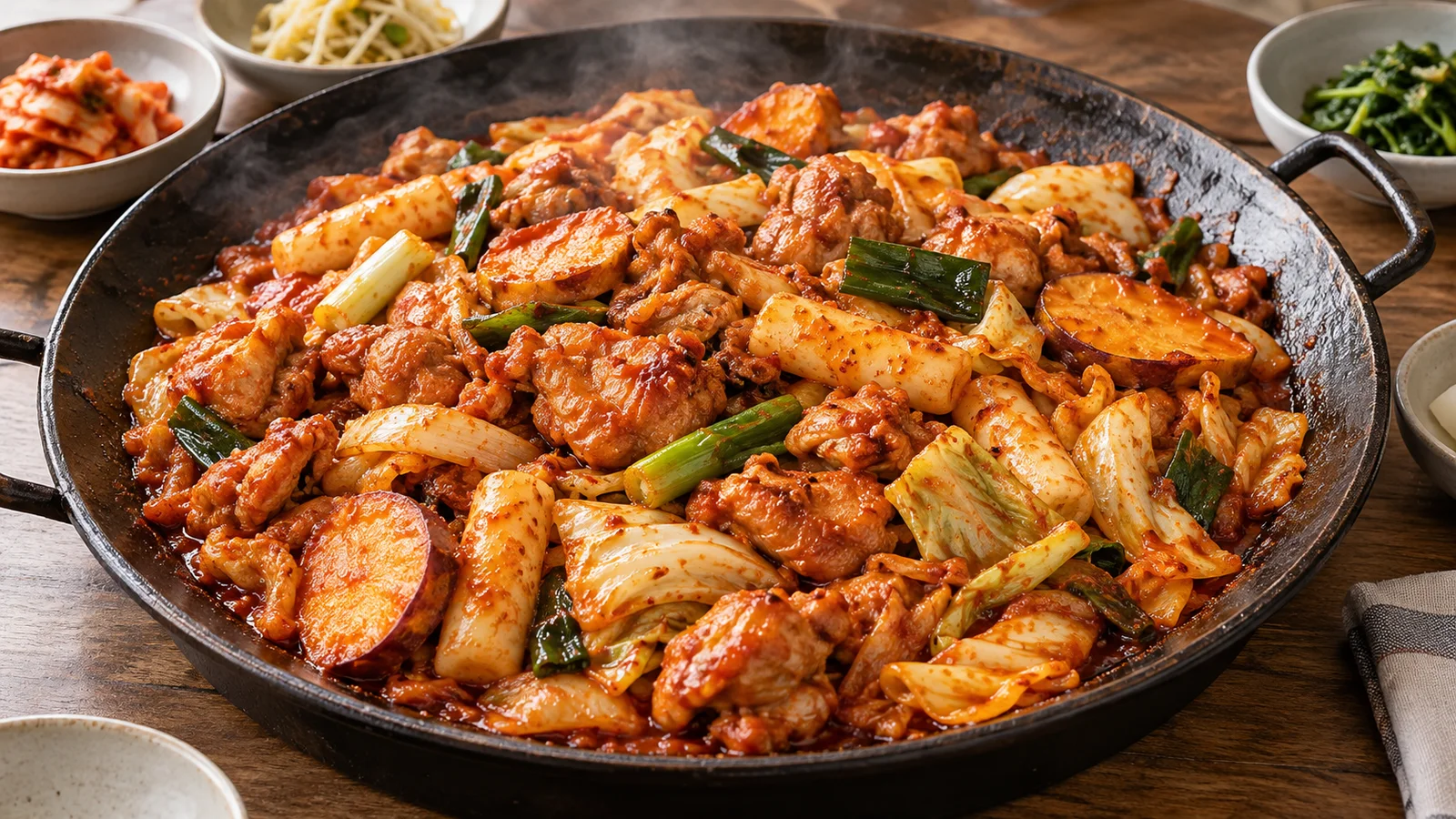
The iron-pan version commonly combines chicken with cabbage, sweet potato, scallion, and rice cakes. The Korea Tourism Organization’s food guide describes cooking chicken and vegetables together. Cuts and proportions vary, so one photograph should not be treated as a required ingredient list for every restaurant.
The red seasoning generally combines chili heat with sweetness and saltiness. Vegetable juices mingle with it as the food cooks, while rice cakes and sweet potato add contrasting textures. Cheese may change how intense the heat feels, but it does not remove the chili. If you have a low tolerance, ask whether the seasoning itself can be adjusted before ordering.
How the cooking style changes the meal sequence
Iron-pan dakgalbi cooks chicken, vegetables, and rice cakes together in shared seasoning. Charcoal dakgalbi puts more emphasis on the grilled chicken itself. For the pan, look at the whole combination and available additions; for charcoal, start with the cut, bones, and accompaniments.
If fried rice is a priority, confirm that it is offered and how it is ordered rather than assuming every iron-pan menu includes it. A large noodle or rice-cake addition followed by rice can change the total meal considerably. Consider that finish when deciding the starting chicken portion.
During cooking, do not independently assume that vegetables or cakes are ready just because they look done: they share a pan with raw chicken. Ask staff when to start eating. Red sauce and a cooked-looking surface do not establish the state of the interior. Keep cooking and eating utensils separate and ask for guidance on heat or further cooking.
How do you eat it at the table?
Find out whether staff handle the cooking or diners are expected to turn the food. Red sauce alone is not a way to judge whether chicken is ready. Follow the restaurant’s guidance on when to begin, and keep utensils used for raw meat separate from eating utensils. See FoodSafety.gov’s guidance on separating raw and cooked foods.
Try a bite of chicken with vegetables. If leaves are supplied, make a small wrap rather than overfilling it. Taste the existing seasoning before adding dipping paste. The pan remains hot, and the center of a rice cake or sweet potato piece may retain heat even after its surface has cooled.
When should you add noodles or fried rice?
A sari is an extra ingredient added to the main dish, such as noodles or rice cakes. Available options and cooking times vary. Check the initial portion and ask staff when to add udon, cheese, or other extras instead of assuming everything should go in at once.
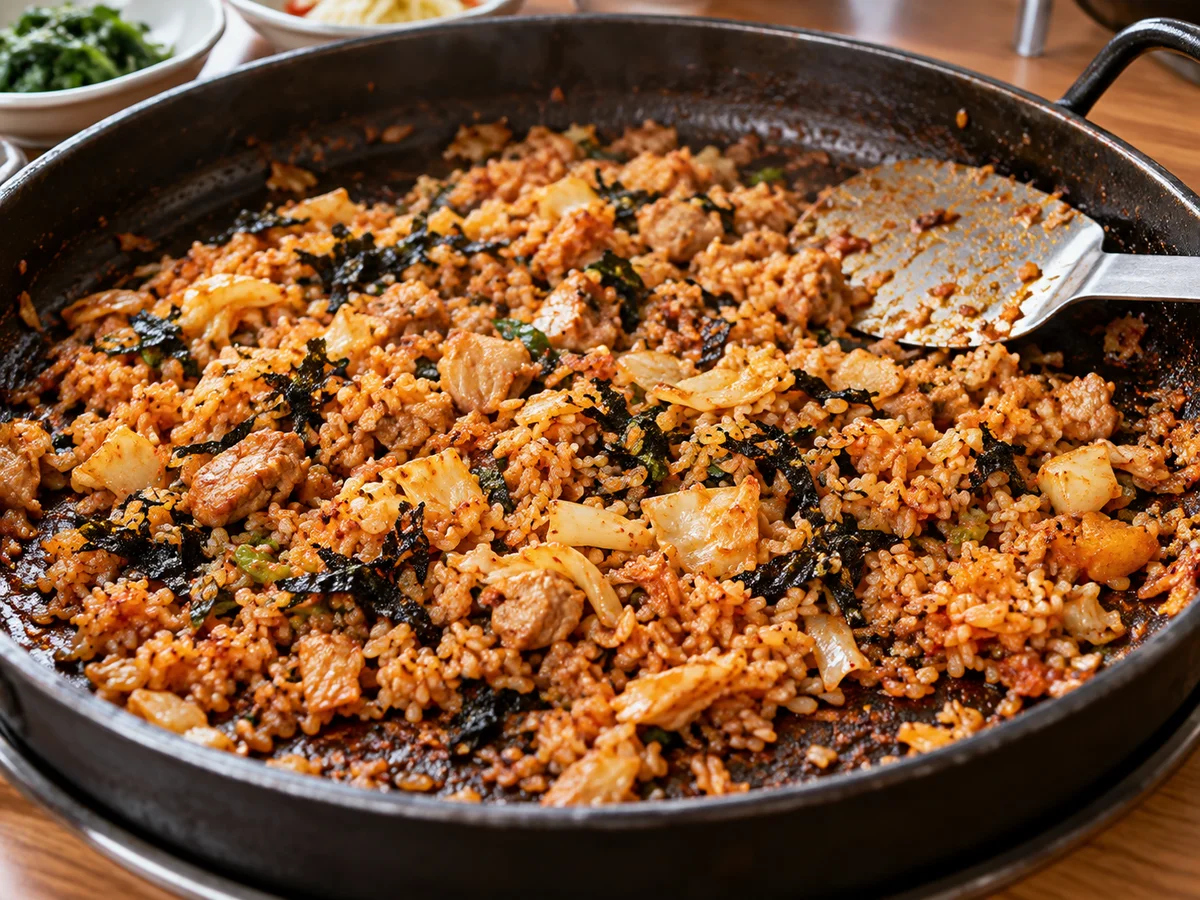
Fried rice uses the remaining seasoning and ingredients as a base. Ask whether it is offered and charged separately; it is optional if you already have enough food. Charcoal restaurants may not offer the same finish. Planning for both noodles and rice should influence how much chicken you order.
What should you check before ordering?
Check minimum portions, bones, spice level, and included ingredients. Cheese introduces dairy, while sauces may contain soy or wheat. Dietary restrictions require an ingredient check; knowing that the main protein is chicken does not identify everything in the seasoning or stock.
For a shared first order, begin with a manageable heat level and the basic preparation, then judge additions against the food already on the table. Choosing the cooking style first makes the menu much easier to navigate.