Korean Food / Tteokgalbi: Grilled Minced Meat, Ingredients and How to Eat It
Tteokgalbi is a Korean meat dish made by mincing and seasoning meat, shaping it like a rice cake and grilling it. Tteok in the name does not mean rice cakes are a standard ingredient. Unlike ordinary grilled ribs eaten off the bone, it emphasizes minced-meat texture and a sweet-salty seasoning. Check the meats used, whether bones are attached and what the set includes to choose accurately.
Does tteokgalbi contain rice cakes?
The tteok part of the name is associated with shaping meat to resemble a rice cake. The Korean Food Promotion Institute’s introduction to tteokgalbi also connects the name to that shape. Expecting a mixture of tteokbokki rice cakes and ribs may leave you surprised by the actual plate.
Restaurants and processed products can, of course, offer variations with rice cakes added. The point is not to determine ingredients from the name alone. Distinguish the dish category from a particular restaurant’s recipe. Even without rice cakes, secondary ingredients and seasonings vary by menu or product.
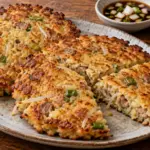
Its round or rectangular patties may resemble a hamburger steak, but consider the degree of mincing, seasoning, grilling method, rice and side dishes. Similar appearance does not guarantee the same sauce or texture.
How mincing and reshaping change the texture
Ordinary grilled galbi emphasizes the grain of meat attached to the bone or cut from ribs. Tteokgalbi gathers minced meat into a shape, so small particles chewed together stand out rather than pulling apart long muscle fibers. Finer mincing and different forming methods can produce a loose, soft texture or a firmer bite.
The Korea Tourism Organization’s Damyang tteokgalbi guide introduces a traditional method of separating beef rib meat from the bone, mincing it, reshaping it with the bone attached and grilling. Soy sauce, garlic, ginger, sesame oil and sweet ingredients combine with the meat and browned surface.
Some tteokgalbi has a bone attached; some is formed without bones. Minced meat does not mean every version is entirely boneless. Check the underside and center before eating and divide the meat away from any bone if needed.
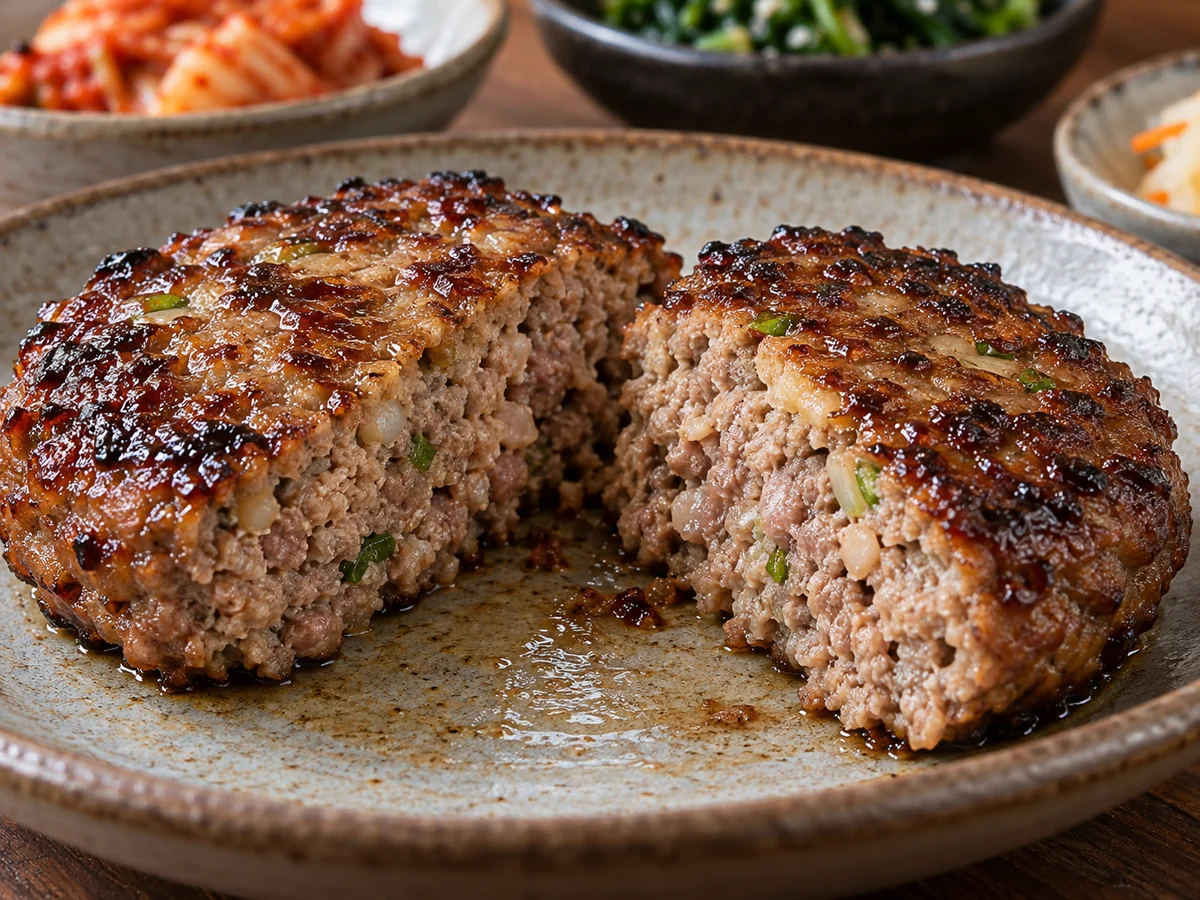
Softness also varies by restaurant. Finely minced meat does not necessarily fall apart in the mouth, and the surface can be firm. If chewing is restricted or you are sharing with children, check actual thickness and texture, bones and any spicy seasoning.
Choosing between Damyang and Songjeong tteokgalbi
Damyang is widely known for tteokgalbi using beef ribs. The regional name does not make every restaurant’s cuts, mixture or grilling method identical. Check the listed ingredients, such as Hanwoo beef, other beef or pork, and what each diner receives.
Songjeong tteokgalbi is commonly introduced as a beef-and-pork mixture. The Korea Tourism Organization’s Songjeong-dong tteokgalbi street guide describes the mixed meats and a soup simmered with pork bones and other ingredients as local features. This is why assuming tteokgalbi contains only beef and no pork can be misleading.
Use regional names as starting points and choose by actual ingredients and texture. If beef flavor is your priority, confirm a beef version; to compare two kinds, ask whether a half-and-half option is available. Regional names alone cannot establish blend ratios or meat content.
- Check whether it is beef only, mixed with pork or a separate pork dish.
- Find out whether it is served with a bone attached or without bones.
- Check pieces and weight per plate, what counts as one serving and the minimum number of diners.
- Decide on the meal after checking whether rice, soup and wrapping greens are included or extra.
A different eating experience from braised ribs and bulgogi
Galbi jjim cooks ribs and vegetables in seasoned liquid. Both dishes can have tender meat, but eating ribs with their original shape and bones differs from eating minced, shaped meat. Choose according to whether you want liquid and vegetables or a grilled surface.
Bulgogi typically uses thinly sliced, seasoned meat. Its sweet-salty soy-based seasoning may overlap with tteokgalbi, but thin muscle fibers feel different from a minced patty. Looking at slicing versus mincing and shaping makes the distinction clearer than comparing sauce names alone.
Some tteokgalbi variations are served as jeongol, a shared hot pot, rather than grilled patties. If the menu says jeongol, check whether broth and additional ingredients are cooked together. The choice between grilled dish, set meal and hot pot matters more than assuming every tteokgalbi order produces the same plate.
How to eat it with rice and wraps
Try a small piece plain to assess texture and seasoning. If sweetness and saltiness are sufficient, add rice before extra sauce. On a hot iron or stone plate, even the edges may be hot, so move meat onto a small plate for easier eating.
If wrapping leaves are supplied, place a little rice and meat on a leaf. Ssamjang, garlic and chili are optional additions, not a compulsory set. Plenty of ssamjang on already-seasoned meat can make it salty, so start with a small meat-and-rice wrap.
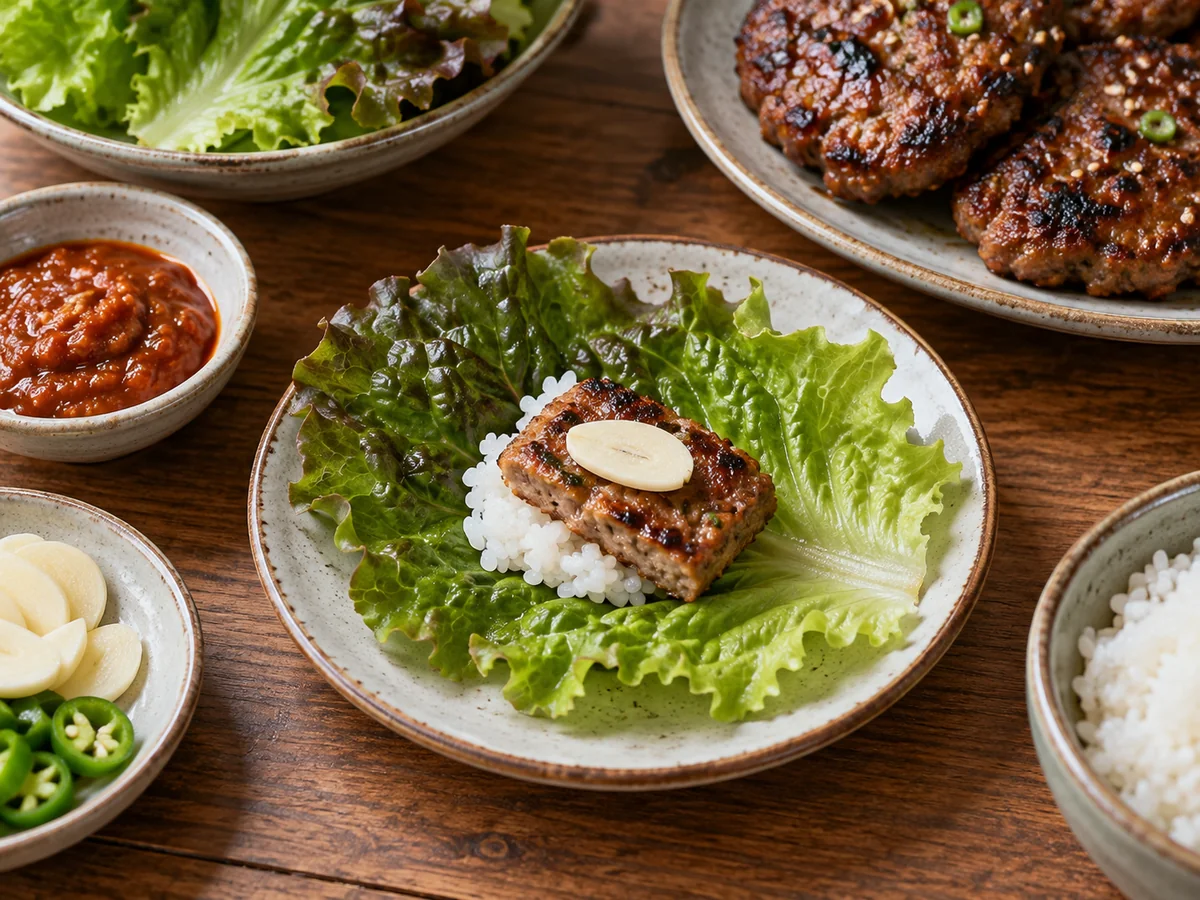
Follow staff guidance on whether the tteokgalbi is already cooked or needs more cooking at the table. Continuing to grill meat on a warming plate can dry it out and burn the seasoned surface. Ask about readiness and heat control instead of increasing the heat yourself.
Soup and side dishes let you vary the meat-focused meal. Do not assume soup is automatically included or refilled free; check the description. If choosing separate rice such as bamboo-cooked rice, ask whether it replaces plain rice or is an extra order to avoid confusion on the bill.