Japanese Food / What Is Japanese Curry? Ingredients, Types and Ordering Tips
Japanese curry is a dish of rice served with a thick, spice-flavored sauce. Onion, carrot, potato and meat are common, but ingredients and heat vary. When ordering or buying it, check the meat, curry roux ingredients, spice level and accompaniments.
What is Japanese curry?
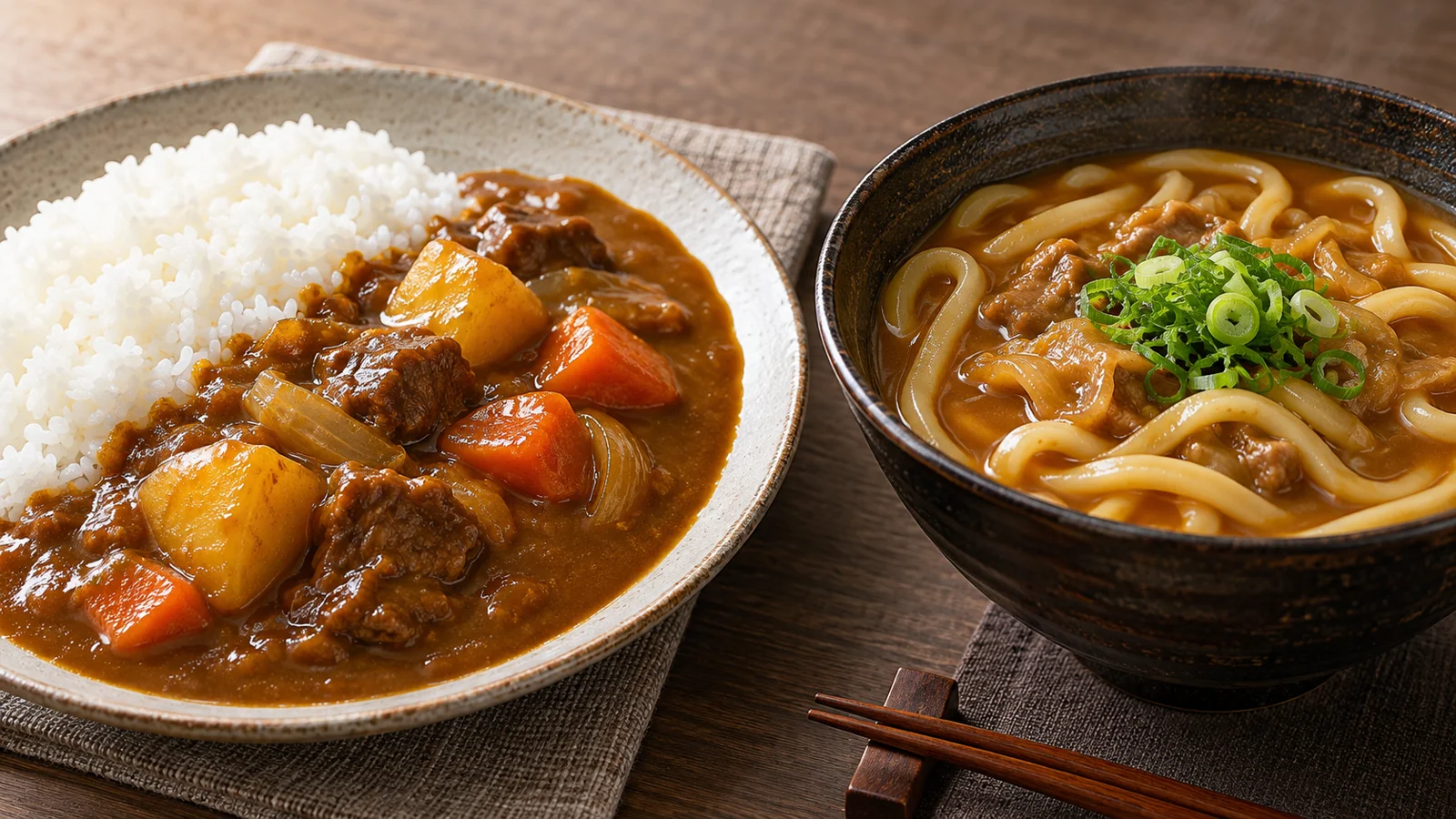
Curry rice is typically eaten with a spoon, with sauce served beside the rice. Spice aromas combine with the sweetness of onions and the savory flavor of meat or stock; consistency ranges from soupy to thick depending on the cook. India has many regional curries, so it is misleading to treat them as a single flavor for comparison.
Japanese curry developed from curry introduced from abroad and adapted to Japanese food culture. The Japanese Ministry of Agriculture’s guide to Yokosuka navy curry describes naval curry as one theory about the origins of Japanese curry rice. Today it is eaten at home, in restaurants and as a convenience food.
What ingredients and curry roux are used?
Onion, carrot, potato and beef, pork or chicken are common. Meat-free-looking dishes may still contain animal ingredients in the sauce or stock. The size of vegetables and use of spices, fruit and stock vary by recipe.
Curry roux is a prepared mixture that gives the sauce flavor and thickness, often made with spices, fat and flour. It comes in blocks, powder and other forms, with ingredients varying by product. For example, one House Foods curry roux product lists wheat, milk, soy, chicken and pork ingredients. Check the label of the product you actually buy.
How do curry rice, curry udon and katsu curry differ?
Curry rice pairs sauce with rice. Curry udon combines udon noodles with curry broth or sauce, with stock and thickness varying by restaurant. Udon usually contains wheat, so check if you need to avoid it.
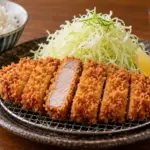
Katsu curry adds a breaded, fried cutlet to curry rice. Pork tonkatsu is common, but chicken and other varieties also exist. Check the meat, coating and sauce together when deciding whether the dish suits your dietary needs. Our guide to Japanese tonkatsu explains cuts and ways to eat it.
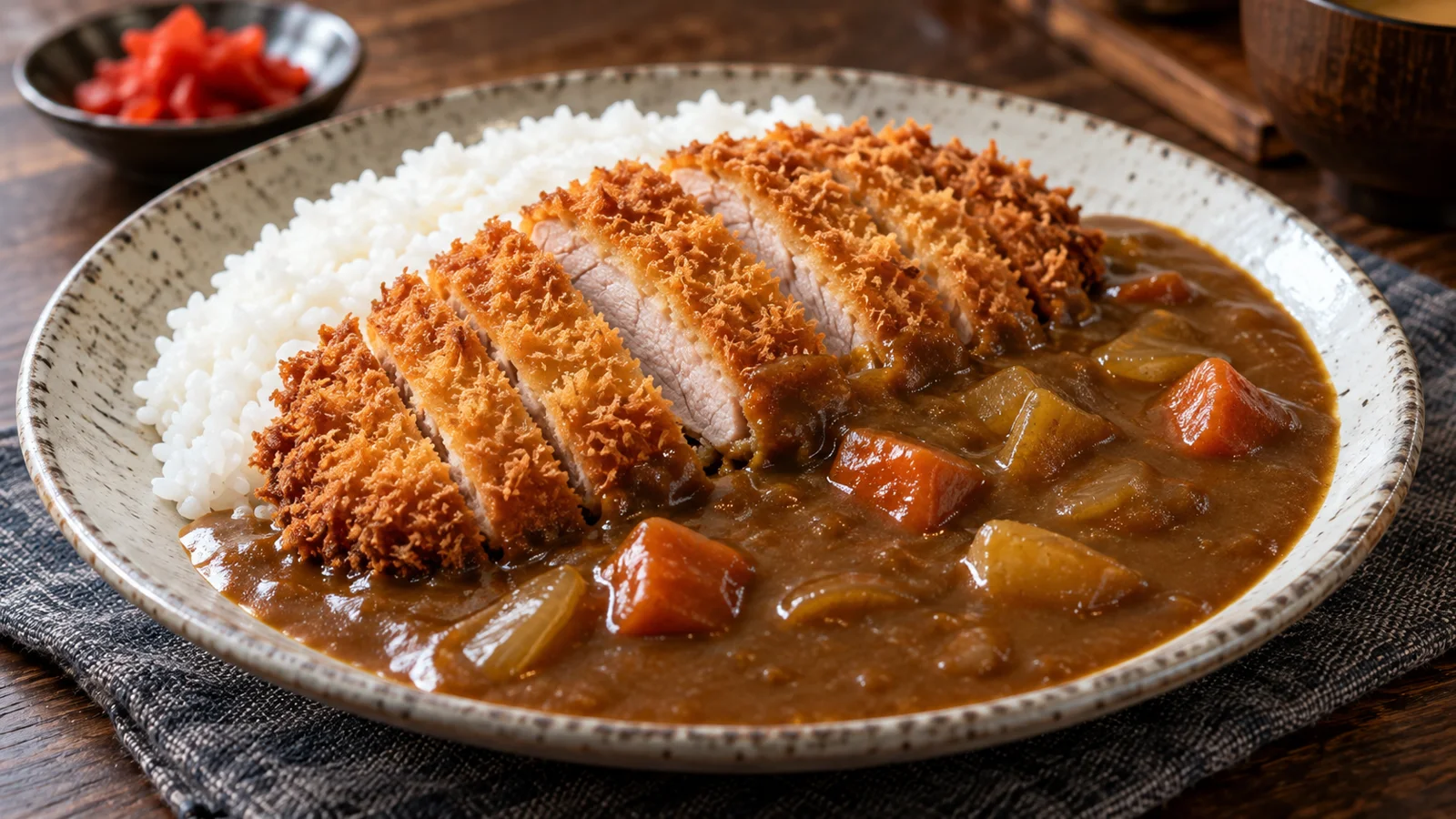
How should you choose at a restaurant or shop?
- Check the heat level. Mild, medium and hot differ between brands and restaurants. Start lower if unsure and ask whether the heat can be adjusted.
- Check meat and toppings. Choose beef, pork, chicken or vegetable curry as appropriate, and check whether extras such as cutlet or cheese cost more.
- Choose the portion and accompaniments. Ask whether the rice portion can be changed. Pickles such as fukujinzuke can be added to taste; their ingredients vary.
- Explain allergies or dietary needs. The name may not reveal stock or roux ingredients. Ask staff specifically about relevant ingredients and cross-contact.
How do you make and store it at home?
When using packaged roux, first read the water-to-roux ratio and directions. Sauté onion and the chosen meat and vegetables, add water and simmer until cooked, then adjust the heat and dissolve the roux as directed. Stir to prevent sticking; add a little water if the sauce is too thick. Cook meat thoroughly as appropriate for its type.
Do not leave a large pot of curry standing for a long time. Divide leftovers into shallow containers, cool promptly and refrigerate. Follow local food-safety advice on time and temperature and reheat thoroughly before eating. Appearance or smell alone cannot establish that food with an unknown storage history is safe.
What should vegetarians and people with allergies check?
Vegetable curry is not necessarily vegetarian: roux, stock, fat or toppings can contain animal ingredients even when no meat pieces are visible. Explain your dietary requirements and check the ingredients.
Roux or breaded coatings can contain wheat, milk, soy or egg. Labeling and available information vary by region, so check the specific product. If an allergy is severe, ask about shared utensils and frying oil as well.