Recent Posts
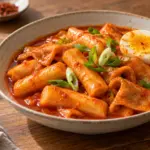
Korean Food / What Is Tteokbokki? Rice Cakes, Sauces, Types, and How to Eat It
Explore the chewy texture and sauces of tteokbokki, including red, soy-seasoned, and tabletop versions. Learn how to choose the heat level, extras, and portion.
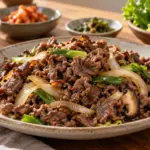
Korean Food / What Is Bulgogi? Marinades, Types, and How to Order and Eat It
Learn how bulgogi tastes and how beef, pork, grilled, and broth-style versions differ. Find practical tips for choosing a menu and enjoying it with rice or lettuce wraps.
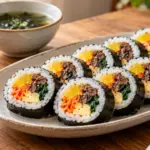
Korean Food / What Is Gimbap? Ingredients, Types, and How It Differs from Sushi
Discover the flavors and fillings of gimbap, including vegetable, tuna, and beef versions. Learn how it differs from sushi and what to check before ordering.
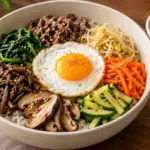
Korean Food / What Is Bibimbap? Ingredients, Types, and How to Eat It
Explore the ingredients, flavors, and common types of bibimbap, from regular bowls to dolsot and yukhoe. Learn how to mix it, adjust the sauce, and check ingredients before ordering.

Simple vs. Compound Interest: Formulas, Examples, and Differences
Compare simple and compound interest using matching rates, principal and time periods. Worked examples, a balance table and diagrams explain compounding frequency, monthly contributions and the conditions that affect what you actually receive.

What Is Opportunity Cost? Examples, Calculations, and Sunk Costs
Opportunity cost focuses on the next-best alternative, rather than the sum of everything you could do. Explore worked examples, explicit and implicit costs, and the difference between opportunity costs and sunk costs to compare everyday choices.

What Is a Sunk Cost? Examples and How to Avoid the Fallacy
Past spending can make it hard to decide whether to continue or stop. Learn how sunk costs differ from recoverable costs, recognize the sunk cost fallacy, and compare your options using practical examples and a step-by-step process.