Korean Food / Kimchi: Ingredients, Types, Fermentation and How to Choose
Kimchi is a Korean food made by salting and seasoning vegetables such as napa cabbage or radish; fermentation changes its aroma and acidity. Red-seasoned napa cabbage kimchi is only one type: cubed radish kimchi, white kimchi and water kimchi differ in their main ingredients and whether they include a substantial liquid. When choosing your first serving, consider spiciness and sourness separately, along with the vegetable texture and actual seasoning ingredients.
What ingredients go into kimchi?
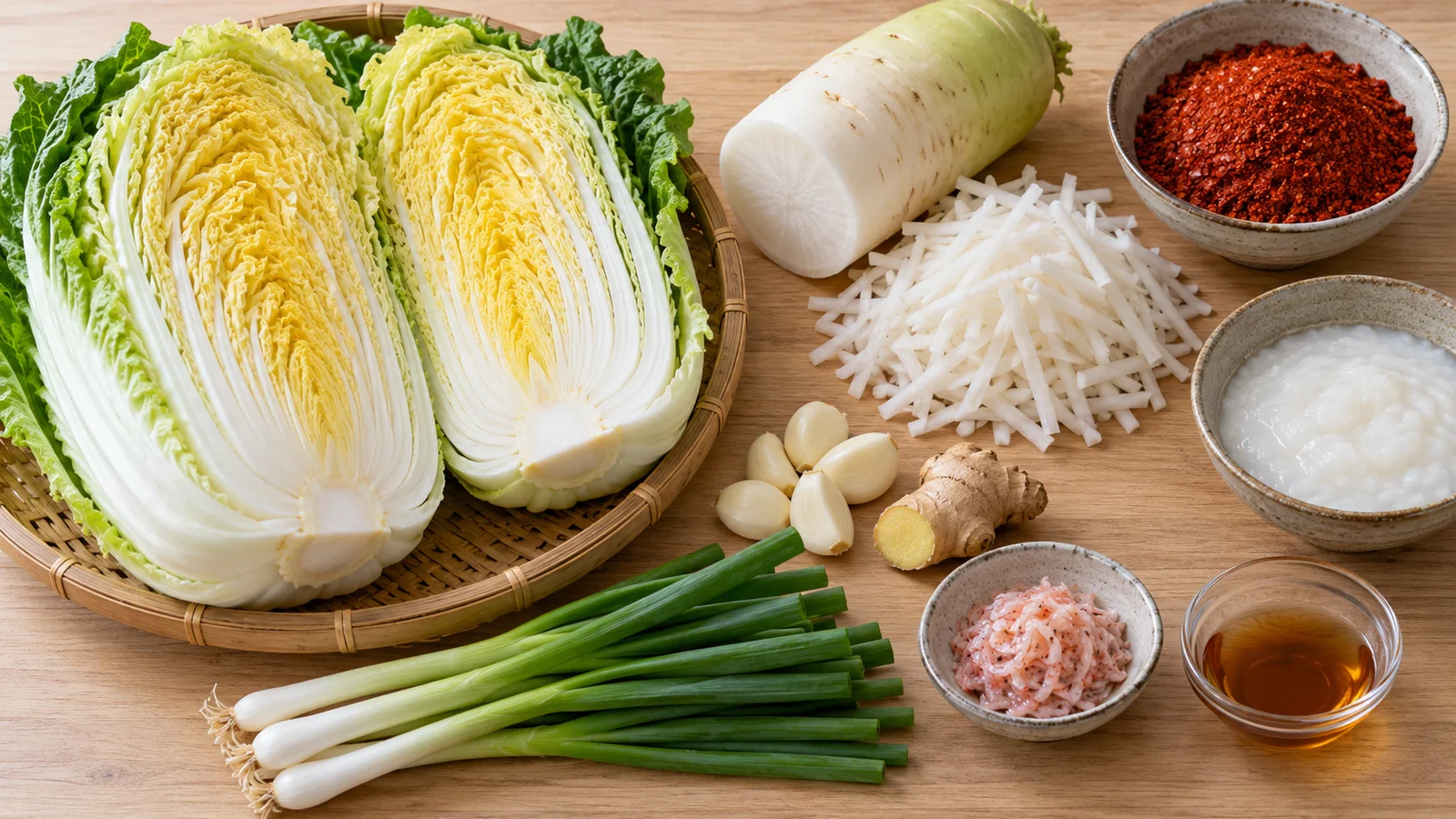
A familiar form of baechu kimchi uses salted napa cabbage with seasonings such as red chili flakes, julienned radish, garlic, ginger and scallions. A piece can combine tender leaf with a crisp, thicker stem. However, kimchi does not mean one vegetable or one fixed formula. The Korea Tourism Organization's introduction to cabbage kimchi also describes variation between regions and households.
Fish sauce is a liquid seasoning made from fermented fish, while saeujeot is salted, fermented shrimp. They can contribute savory flavor but are not mandatory ingredients in every kimchi. Recipes without seafood seasonings also exist. To judge vegetarian suitability or an allergy restriction, check the actual ingredients rather than assuming that a vegetable-based dish is suitable.
Some seasonings also include a cooked grain paste or fruit. An ingredient photograph or a general recipe illustrates possible components; it does not replace the restaurant's or product's ingredient information. The World Institute of Kimchi's ingredient guide explains how cabbage, radish, chili flakes, garlic and other ingredients influence fermentation and flavor.
How do fermentation and ripening change the taste?
Kimchi is more than seasoned vegetables: it undergoes fermentation involving microorganisms, including lactic acid bacteria originating from its ingredients. Lactic acid bacteria are bacteria that produce lactic acid; acids and other substances produced during fermentation influence flavor and aroma. Ingredients and storage conditions differ, so kimchi prepared on the same date does not necessarily ripen at the same speed.
Freshly prepared kimchi may emphasize the lively vegetable texture and seasoning aroma, while ripened kimchi can have more noticeable sourness and fermented aromas. Stem firmness can also change as it ripens. Instead of treating one stage as universally better, consider whether you prefer a fresh, crisp impression or a more developed sour flavor.
Spiciness and sourness are different criteria. Kimchi with little chili can still be quite sour, while a deeply red version may have relatively little sourness if it is newly prepared. When ordering or buying, distinguish "not spicy" from "not very sour" to describe your preference more clearly.
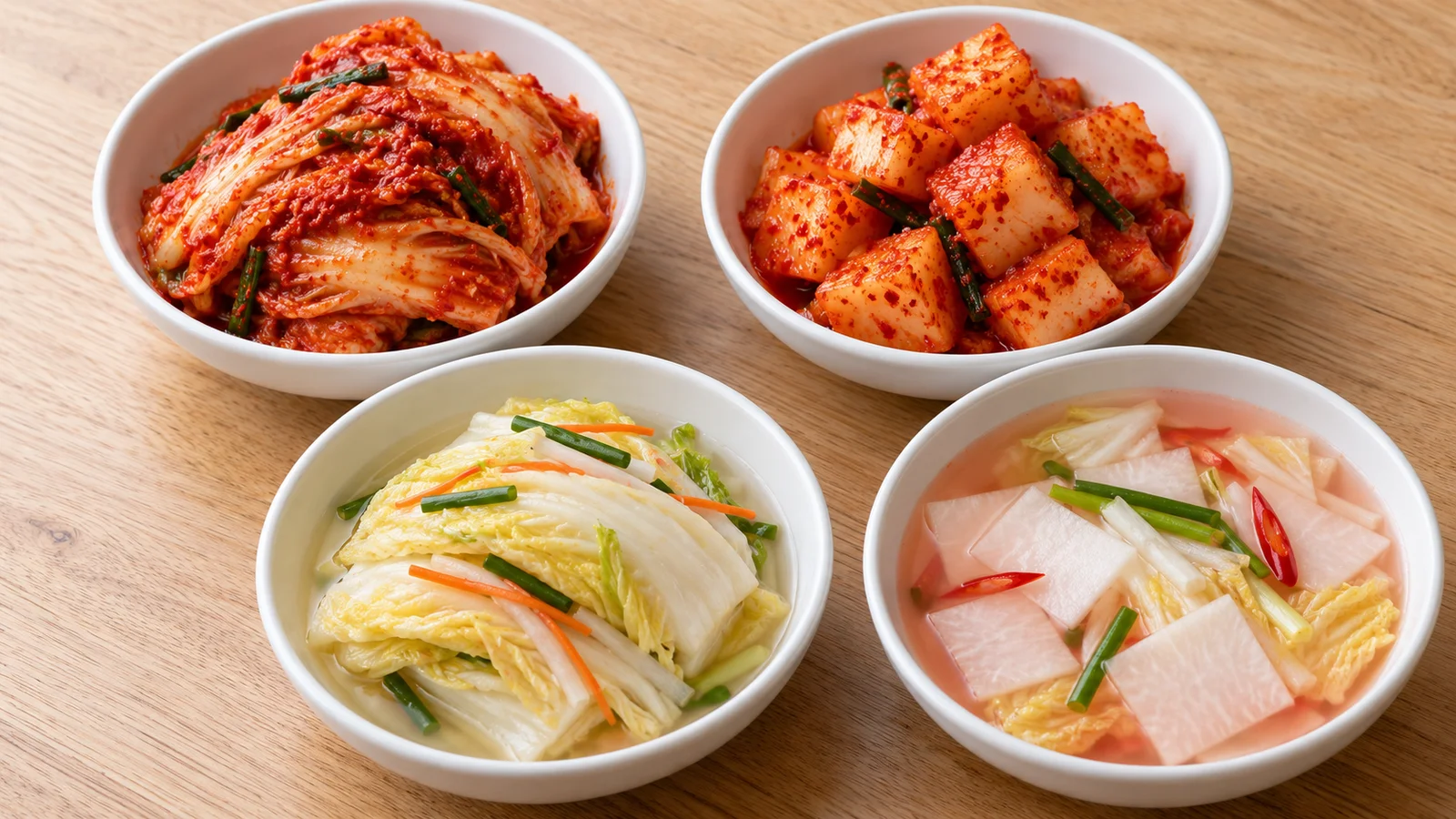
Cabbage, cubed radish, white and water kimchi compared
Compare the main vegetable, its cut and whether you eat a liquid alongside it, rather than color alone. Seasoning and ripeness vary between regions, households and sellers even under the same name. Use this table as a guide for tasting and asking questions.
| Type | Common form | What to check |
|---|---|---|
| Baechu kimchi: cabbage kimchi | Napa cabbage leaves and stems infused with seasoning | Stem firmness, seasoning spiciness and ripeness |
| Kkakdugi: cubed radish kimchi | Korean radish cut into substantial cubes | Radish crunch, piece size and sourness |
| Baek kimchi: white kimchi | Pale cabbage kimchi distinct from red-seasoned cabbage kimchi | Saltiness and fermented aroma, rather than assuming from its pale color |
| Water kimchi | Types with liquid, such as nabak kimchi and dongchimi | Vegetable and liquid flavors, sourness and any spicy ingredients |
For a water kimchi, you can portion a little vegetable and liquid into a small bowl to taste. This does not mean you need to drink the seasoning liquid of every kimchi. Cabbage kimchi and kkakdugi are often encountered as side dishes to alternate with rice, soup or meat, adjusting the amount one piece at a time.
How is geotjeori different from ripened kimchi?
Geotjeori is seasoned vegetables generally eaten relatively soon after preparation; its vegetable texture and seasoning aroma can differ from kimchi ripened for longer. The Korea Tourism Organization's description of geotjeori also highlights eating the seasoned cabbage straight away. Understanding this distinction helps when the sourness of ripened kimchi is unfamiliar.
However, the name geotjeori does not mean less spicy or free of seafood seasoning. Similarly, white kimchi does not mean freshly made kimchi. Ask separate questions about chili spiciness, fermentation-related sourness and the ingredients used.
How are kimchi and kimjang culture connected?
Kimjang is associated with collectively preparing and sharing large quantities of kimchi for winter. It encompasses ingredient preparation, passing on methods and sharing with neighbors or family, rather than a single recipe. According to the Republic of Korea Ministry of Foreign Affairs announcement, kimjang culture in the Republic of Korea was inscribed on UNESCO's Representative List of the Intangible Cultural Heritage of Humanity in 2013.
This cultural significance does not mean every household prepares the same amount at the same time using the same recipe. People make or buy kimchi in different ways and prefer different flavors. Kimchi is both an everyday side dish and a way to discuss the culture of preparing and sharing food.
What should you check when tasting or buying it?
- Choose the vegetable and format. Decide whether you want cabbage leaves, firmer radish pieces or a liquid to taste alongside the vegetables.
- Ask about spiciness and ripeness separately. If spicy food is difficult, ask about the chili seasoning. If sourness is difficult, ask how ripe the kimchi is.
- Taste a little with rice or another dish. Cut a manageable piece rather than eating a large amount at once, then consider saltiness and sourness. Tasting leaf and stem together also makes the texture contrast clearer.
- Check quantity and storage conditions. Start with a small purchase and read the package weight, storage directions and guidance after opening.
For vegetarian requirements or ingredient restrictions, ask specifically, for example, "Does this contain fish sauce or salted fermented shrimp?" With an allergy, check possible cross-contact during preparation and portioning as well as ingredients. An absence of visible fish or shrimp is not enough to decide.
How can you store and use leftover kimchi?
For a purchased product, follow its refrigeration and after-opening instructions, and use clean utensils and containers when portioning. Do not assume that all kimchi keeps for the same period or leave finished kimchi at room temperature for a long time simply because it is fermented. The US Food and Drug Administration's food storage guidance also advises checking storage labels and explains that appearance or smell alone cannot establish food safety.
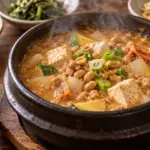
Properly stored kimchi that has developed a sour flavor can be used in kimchi jjigae or kimchi fried rice. Sourness alone does not mean it is always suitable to cook and eat. Ripeness and storage condition are separate questions; do not try to rescue mishandled or suspect spoiled kimchi by heating it.